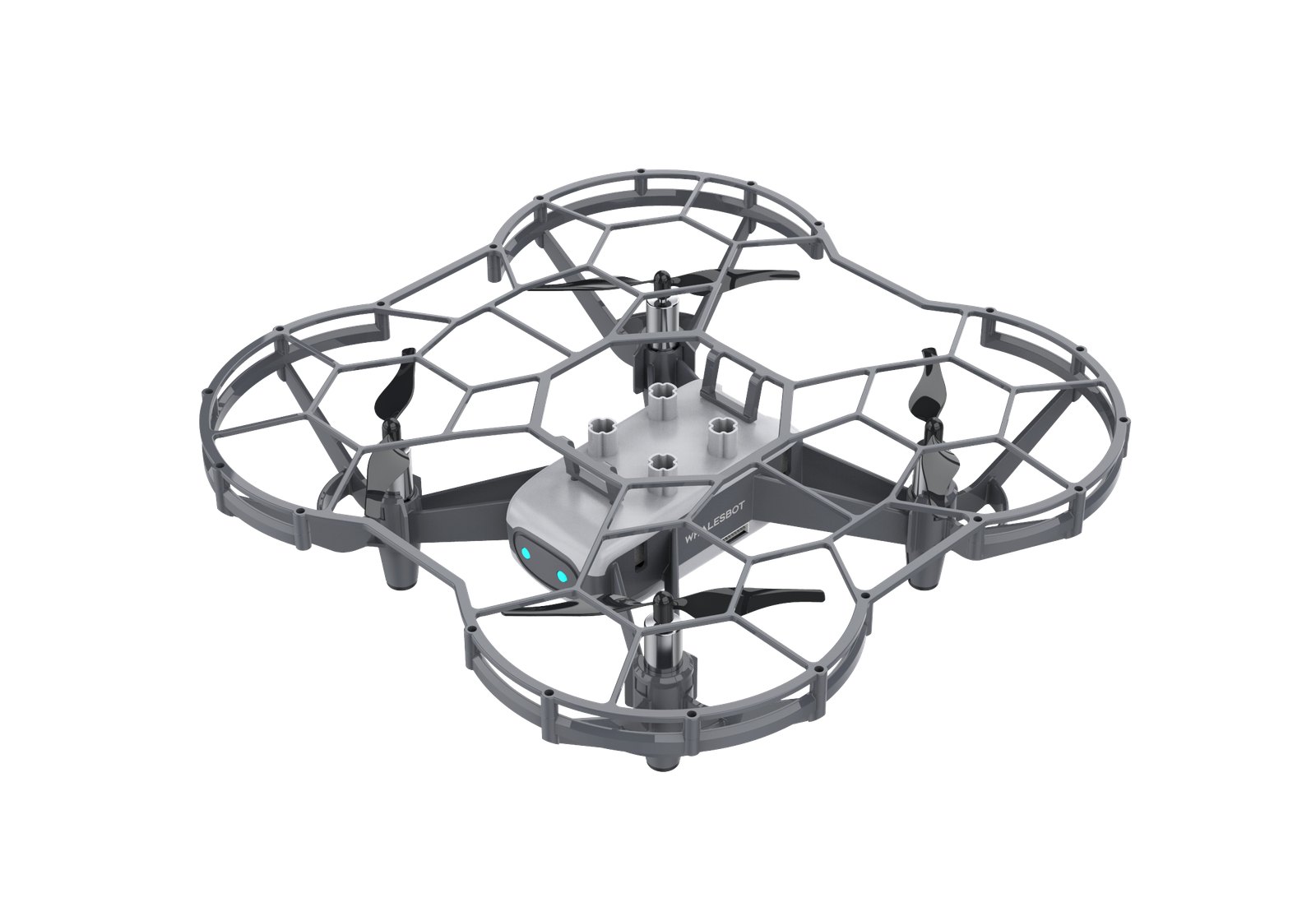
Drone Coding and Applications Course
Comprehensive drone technology learning covering flight principles, programming control, data collection, and AI applications.

The following courses for secondary students — from basics to advanced — develop robotics engineering and programming skills for future technology talent.

Through hands-on engineering builds and systematic block programming, this course guides students into the cross-disciplinary fields of engineering design, computational thinking and problem-solving. The VEX GO system provides rich modular mechanical parts; students assemble functional robots and use VEXcode GO block programming to efficiently 'programme' robots for complex tasks. The course inspires innovation and develops computational thinking, systematic problem-solving and effective teamwork.
The course encourages group collaboration. Students learn communication and teamwork while applying creativity throughout the engineering design process.
Students learn to break down problems, design algorithms and apply the engineering design process to build and programme robots, improving logical thinking and problem-solving. Teamwork and project management are emphasised — students divide tasks and develop communication and responsibility. Skills connect to VEX IQ, VEX V5 and senior secondary ICT, AI, robotics and related advanced courses, laying foundations for future technology learning and career exploration.
Courses以國際 VEX IQ Competition為基準,涵蓋最佳化Design、模擬Competition、Engineering筆記與Technology展示。完整Courses內容、本地盃賽主辦紀錄與新加坡邀請賽路徑,已獨立成頁。
This course offers secondary students (S4–S6) a near-university-level robotics experience. It provides a comprehensive, challenging platform for students to build, programme and control their own VEX V5 robots from scratch, with the ultimate goal of competing at a high level. The course covers robot design, structural mechanics, advanced programming (block and text-based), rigorous engineering notebook writing and complex competition strategy analysis — developing future engineers, scientists and tech leaders with innovative thinking, systematic problem-solving and effective teamwork.
Students experience the engineering design process — from problem definition, design and build through test and improvement — improving logical reasoning and problem-solving and laying foundations for university engineering and science.
The course also emphasises mechanical principles and programming skills, with students progressing from block coding to Python or C++ to prepare for university study. Teamwork and leadership are equally important — students divide tasks, communicate effectively and handle technical and interpersonal challenges. Students also learn to write structured engineering notebooks, improving scientific record-keeping and professional writing, and practise competition strategy and on-the-spot adaptability through simulated contests to build mental resilience. VEX V5 experience is widely recognised by universities; the knowledge and skills gained help students transition to engineering, computer science, AI and related majors and provide valuable practical experience for future tech careers.
VEX AIM This smart robotics introductory course for secondary students starts from zero with AI and robotics. Combining programming, AI vision sensing and robot operation, students write code and control robots for various tasks, using sensor data and smart decision-making. Content covers computational thinking, algorithms and debugging, with group work to improve problem-solving and teamwork.
VEX AIM A practical platform for computational thinking and logical reasoning — breaking complex problems down, designing commands and solving challenges through testing and debugging.
The course introduces AI vision sensing so students see how robots identify objects and make smart decisions, sparking interest in AI. Students also learn basic programming with VEXcode AIM to control robots for various tasks, laying groundwork for advanced coding. They analyse problems, try different solutions and learn from mistakes, improving troubleshooting and critical thinking. Group work and communication build teamwork.
With the WhalesBot AI Module 1S kit, this course guides students into AI and robotics. Students build, programme and control more complex, intelligent robot models and explore foundational AI applications. More than programming knowledge, it is a platform for computational thinking, problem-solving and innovation.
A progressive path from visual to text-based coding keeps the learning curve gentle. Real task-driven projects and showcases motivate learning. Competition-oriented work polishing builds engineering mindset. Full hardware support encourages innovative experimentation.
WhalesBot AI Module 1S Students design and assemble robots and learn Scratch, Python and C among other programming tools, comprehensively improving coding and problem-solving. Using over 600 parts, they understand sensors and closed-loop motors and experience how robots sense and respond, with an introduction to practical AI. Creative design and teamwork are emphasised — students complete projects in groups, improving communication and collaboration.
Through WhalesBot AI Module 3S, students experience AI and robotics and prepare for the global ENJOY AI 'Tribal Warfare' competition. They design, assemble and programme more powerful smart robots for higher-difficulty tasks. Beyond coding and building, the course develops computational thinking, problem-solving and innovative thinking. Students also collaborate with peers worldwide, strengthening teamwork and global perspective.
Students flexibly master diverse programming skills; also explore AI applications, especially how image sensors let robots 'see' and identify objects.
Through WhalesBot AI Module 3S, students use over three hundred and twenty-three parts to design and build versatile, sturdy robots, and learn Scratch, Python and C for flexible robot control. The course covers touch, 5-in-1 greyscale, ultrasonic and image sensors so students understand how robots sense the environment and recognise objects, with an introduction to AI and image recognition.
Beyond hands-on practice and engineering design, students take part in open-ended design challenges — from planning and design through testing — turning ideas into reality. They continually analyse and solve technical problems, improving troubleshooting and debugging while training critical thinking and perseverance. Students work in groups, learning effective communication and division of labour to complete team projects. They may also join the ENJOY AI 'Tribal Warfare' global competition, exchanging with peers worldwide to broaden horizons and raise competitive standards.
Aligned with the ENJOY AI 'Cyber City' international competition, this course lets students design, build, programme and control higher-difficulty, smarter robot models, comprehensively raising technical standards. Students learn multi-language programming and gain in-depth understanding of AI vision modules, multi-sensor fusion and complex mechanical structure design. Beyond single-skill coding training, lessons emphasise computational thinking, problem-solving, innovation and teamwork.
The course introduces colour, ultrasonic, temperature/humidity, gesture, touch and other sensors so students understand how robots fuse sensor data to actively perceive and respond to environmental changes.
Students are introduced to AI vision technology, trying to get robots to distinguish and identify different objects, deepening their understanding of AI applications. They design and build versatile, sturdy robots and learn multiple programming languages to flexibly control robots for different tasks. During building and coding, students face real challenges requiring critical thinking and logical reasoning to analyse and solve technical problems, improving troubleshooting and debugging skills. Innovation design challenges let students apply engineering design principles — from planning and design through implementation to testing — turning creative ideas into physical creations and developing innovation and project management skills. Students also work in groups, learning effective communication and collaboration to strengthen teamwork and presentation skills.
Using Arduino as the system core, this course guides students step by step to assemble a fully mobile soccer robot car. Students learn to programme with the Arduino IDE and write code to precisely control movement and sensing. The ultimate goal is solid technical foundations and practical experience to prepare fully for the soccer robot competition at HKUST, where students showcase creativity and technical skill in competition.
Students assemble and design robots hands-on, understanding how structure and drive systems affect performance, and learn Arduino boards and electronic components — connecting and applying motors, sensors and other hardware.
In class, students use the Arduino IDE to write code, practising syntax and logical thinking for intelligent robot control. They also learn how various sensors work and programme robots to sense the environment, identify objects and avoid obstacles, building practical skills. For soccer robot competitions, students practise precise operation, tactical analysis and working with teammates on attack and defence strategies, understanding the importance of teamwork. Throughout, students face technical challenges including mechanical faults, wiring issues and code errors, training systematic debugging and independent problem-solving.
The following courses for secondary students cover drones, AI vision, smart IoT and language AI — developing technical ability comprehensively.
Comprehensive drone technology learning covering flight principles, programming control, data collection, and AI applications.
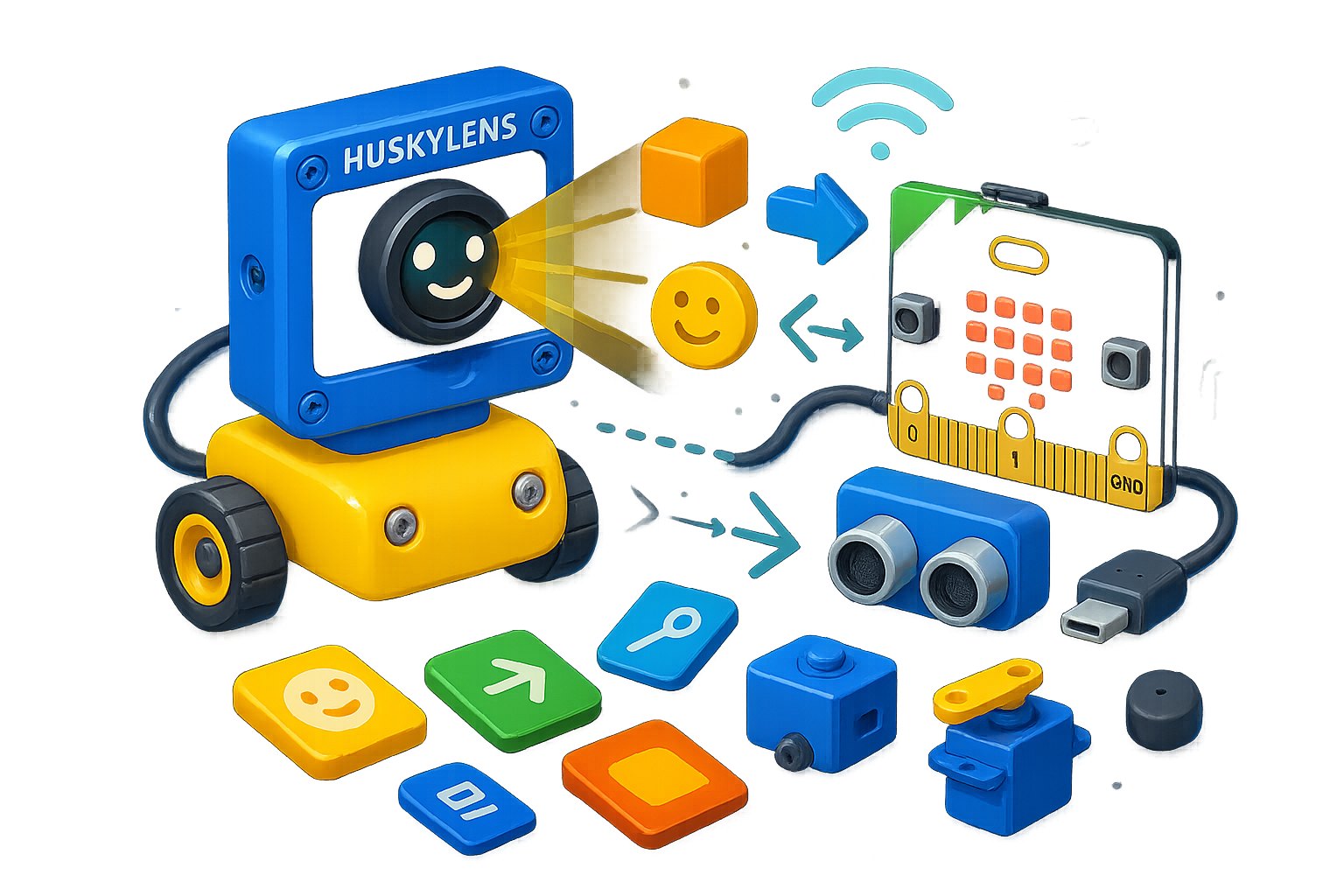
Combining Micro:bit and HuskyLens for AI vision learning, students practise image recognition, object tracking and face recognition and apply these to autonomous robot navigation, interactive tasks and IoT smart environment construction.
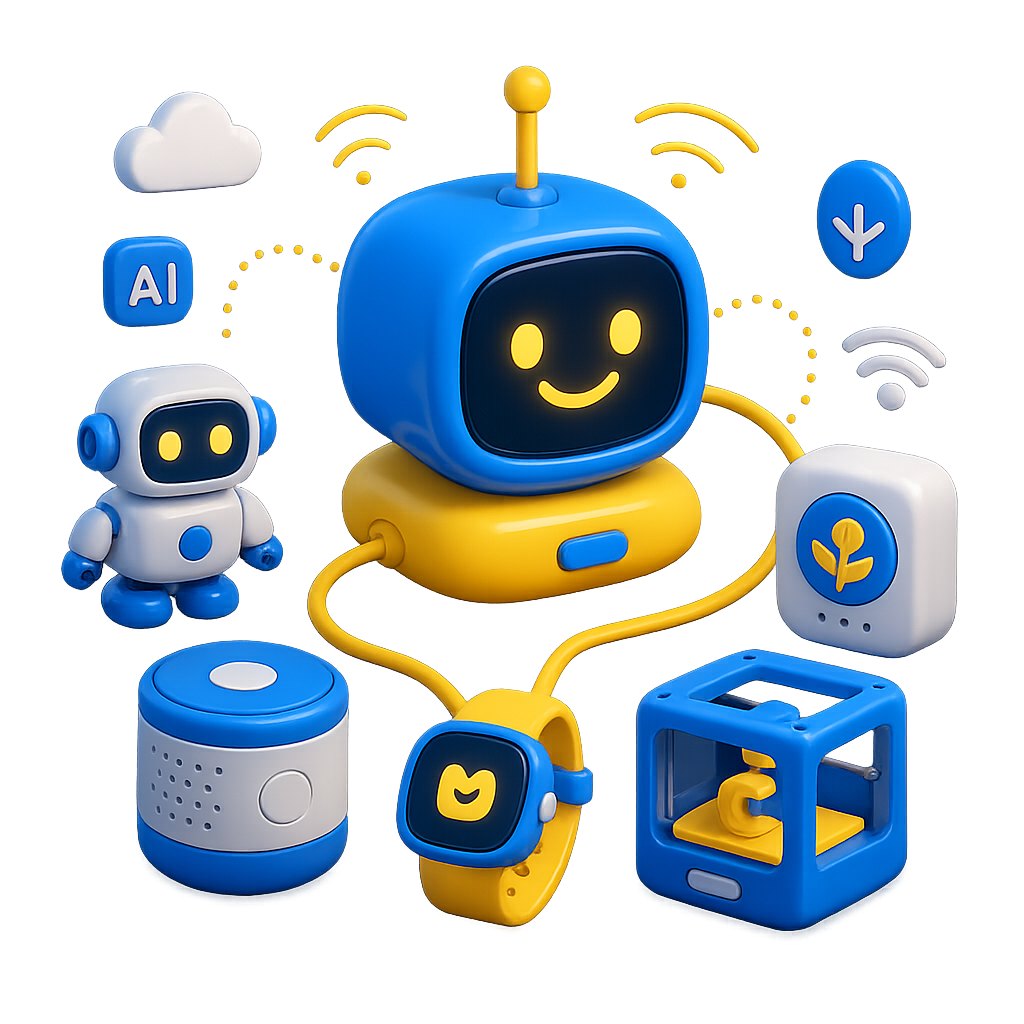
AIoT deep learning to cultivate smart city talent. Develop smart applications deployable in smart campus projects.
Explore large language models and natural language processing. Develop language AI applications and master core technologies of the future.
Contact us for a STEAM programme proposal and quote tailored to your school