2612 5555
Rm 11, 18/F, Wing Fung Industrial Building, Tsuen Wan, NT
Get a School Quote

Primary Coding Course


Gamified, project-based systematic teaching progressively builds visual to text-based programming — balancing creative expression and computational thinking.

Quick course picker
3 courses

Python Programming Course

PythonBeginnerAlgorithmic Thinking
View course

Scratch Creative Coding Course

ScratchBlock-based codingInteractive Projects
View course

Pygame Game Development Course

PygameGame MakingThematic Project Work
View course
Python BeginnerAlgorithmic ThinkingThematic Project Work
Python Classroom Scenario (Illustrative)
(Image generated by generative AI)

PythonProgramming Course | Course Overview

Designed for Hong Kong primary students, this course introduces the wonderful world of computer programming, developing innovative thinking and problem-solving. Python — internationally widely used with simple, readable syntax — is the teaching foundation, letting students learn science and technology in fun, practical ways. Python is like a key opening the IT world, letting computers understand and execute their instructions to create games, animations and interactive stories.
This course strongly emphasises inspiring learning interest. Lessons combine gamified learning, story-driven activities and hands-on practice so students progressively master basic programming concepts — logical thinking, flow control, variables and simple debugging — in a relaxed, enjoyable atmosphere. Through participation and group work, students improve collaboration and communication and build confidence and achievement through projects and challenge tasks.

Learning focus

  • Master Python syntax fundamentals
  • Understand Variables and Data Types
  • Learn Conditionals and Loops
  • Develop Algorithmic Thinking

Course highlights

Design matches primary cognitive levels with visual tools to aid understanding. Projects include game development, data analysis, web scraping and other practical work.

Competitions & showcase opportunities

  • PythonCoding Challenge
  • Code.org Hour of Code
  • Youth Coding Marathon
  • Google Kick Start(Junior Category)
  • School Coding Showcase

Future-ready advantages

Learning Python programming comprehensively strengthens computational thinking and logical reasoning, and helps develop systematic problem-solving and innovative thinking. By mastering Python — widely used in academia and industry — students interact with computers through code, creating games, animations and graphic designs to spark interest and creative potential. The course presents abstract technology through practical activities, building confidence and communication through hands-on work and teamwork. Early exposure to coding helps students adapt to advanced STEM subjects and prepares them for the digital economy and technology innovation.

Course outline (8 units)

  • Unit 1: Python programming environment
  • Unit 2: Data types and variables
  • Unit 3: Flow control structures
  • Unit 4: Functions and Modules
  • Unit 5: File handling operations
  • Unit 6: Graphical user interface development
  • Unit 7: Introduction to game development
  • Unit 8: Real-world project development

Block-based codingInteractive CreationComputational Thinking
Scratch Classroom Scenario (Illustrative)
(Image generated by generative AI)

12. ScratchCreative Programming Course | Course Overview

Using Scratch visual programming as the main platform, students learn basic concepts — sequence, branching, loops, variables and events — through image blocks. Cross-disciplinary themes and real-life problem-solving guide students to apply programming to everyday issues, such as interactive stories, simple games or simulated smart devices, consolidating learning and boosting interest.
Inquiry-based and collaborative learning strategies are actively applied — group work, thematic studies and showcases develop teamwork, communication and critical thinking. Teachers flexibly adjust content and depth based on progress and interest, catering to learning diversity and encouraging autonomous exploration and creation to develop individual potential.

Learning focus

  • Master the Scratch programming environment
  • Understand Programme Logic Structure
  • Design Interactive Applications
  • Develop Coding and Debugging Skills

Course highlights

Content aligns with primary computer subject requirements to ensure learning outcomes. Projects include animation, games, interactive stories and more.

Competitions & showcase opportunities

  • ScratchCreative Coding Competition
  • MIT Scratch DayHong Kong Leg
  • Territory-wide Primary Coding Competition
  • Code ClubStudent Showcase
  • School IT Day Showcase

Future-ready advantages

Through visual programming tools like Scratch, students drag image blocks to intuitively understand program structure, conditionals and loops, lowering the entry barrier and boosting interest and participation. Projects include animation, interactive games and story creation, encouraging students to apply creativity and knowledge in real work and develop expression skills.

Course outline (8 units)

  • Unit 1: Scratch advanced interface
  • Unit 2: Animation production techniques
  • Unit 3: Interactive story creation
  • Unit 4: Game design fundamentals
  • Unit 5: Variables and list applications
  • Unit 6: Cloning and Broadcasting
  • Unit 7: Advanced game development
  • Unit 8: Creative project production
Python Game DevelopmentGraphics and Event HandlingComplete Projects
Pygame Game development class (illustrative)
(Image generated by generative AI)

21. PygameGame Development Course | Course Overview

Using accessible Python and the Pygame library, this course introduces game design and programming. 'Learn while playing' combines fun interaction, drawing, sound, character movement and scoring so students learn computer logic and creative expression in a relaxed environment.
No programming background needed — follow steps from basics to controlling graphics, keyboard and mouse input, simple animations, sound effects and custom characters. Each lesson has small tasks and visible outcomes so students enjoy 'creating my own game' and learn problem-solving and cooperation.

Learning focus

  • Master Pygame fundamentals
  • Learn Game Logic Design
  • Understand Graphics Processing Concepts
  • Develop Project Management Skills
  • Develop Creative Design Thinking

Course highlights

Starting from simple games and progressing step by step, students develop platform games, shooters, puzzle games and more. Learn combined skills in game planning, art and programming.

Competitions & showcase opportunities

  • Student Game Development Competition
  • indieGames Expo
  • PythonGame Coding Competition
  • School Game Carnival

Future-ready advantages

Through the Pygame game development course, students learn hands-on creation and turn ideas into real projects, enjoying the satisfaction of 'I did it myself'. Game programming brings various problems and challenges — students learn to observe, analyse and solve difficulties, greatly improving problem-solving and confidence. The course encourages active exploration, hands-on practice and learning to communicate and share through collaboration for well-rounded development.

Course outline (8 units)

  • Unit 1: Pygame environment setup
  • Unit 2: Basic graphics drawing
  • Unit 3: Animation and motion
  • Unit 4: Event handling mechanisms
  • Unit 5: Collision detection systems
  • Unit 6: Sound Effects and Music
  • Unit 7: Game architecture design
  • Unit 8: Complete game development

More primary recommendations

Extended programming and innovation applications combining AI, IoT, VR/AR and app development — ideal for school innovation showcases and themed weeks.

AI Prompt Course thumbnail

13. AI PromptIntelligent Dialogue Course

Centred on generative AI with diverse learning activities, students progressively understand and master basic AI principles in a relaxed, enjoyable environment.

  • Learning focus: generative AI principles, prompt engineering, AI-assisted creation, AI ethics, critical thinking
  • Course highlights: latest platforms; projects such as AI writing assistants, image generation, music creation
Generative AIPrompt EngineeringAIEthics
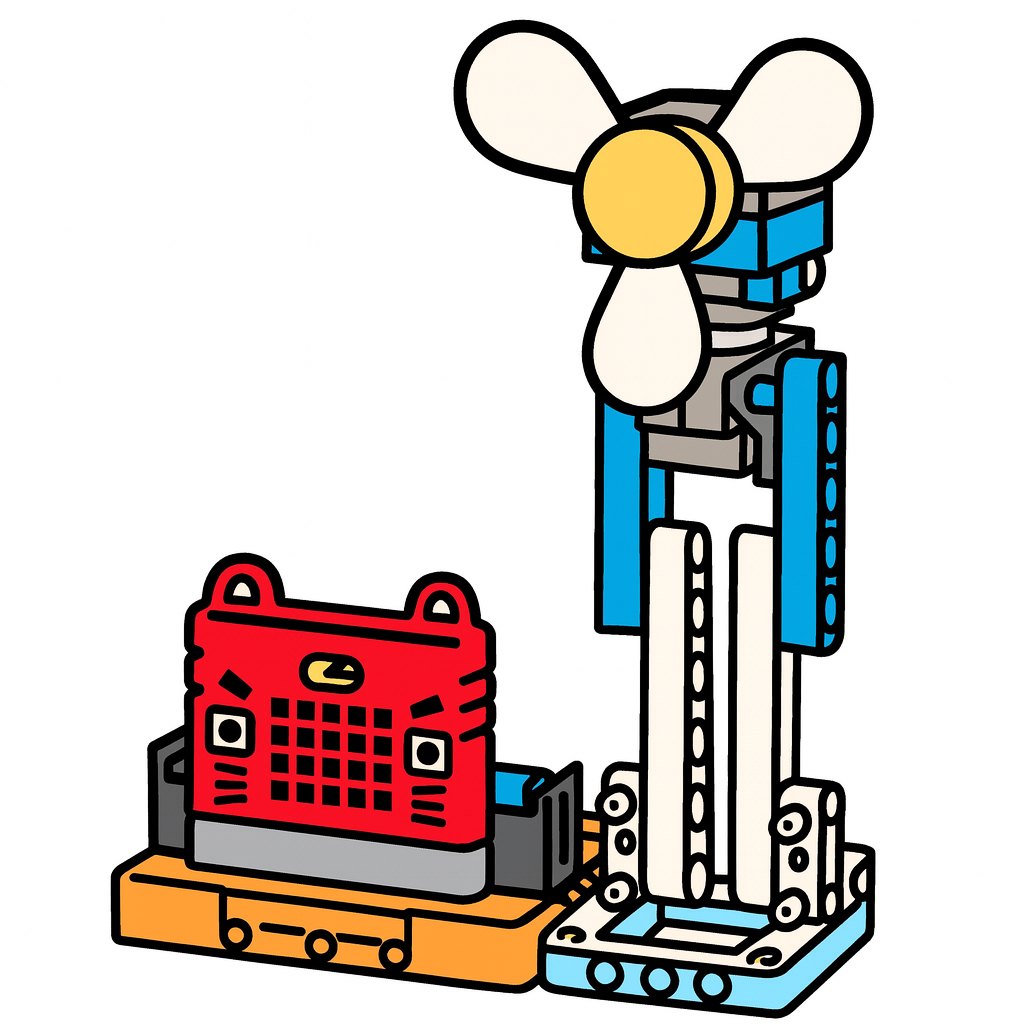
KittenBot IoT Intro Course Thumbnail

KittenBotIoT Introduction Course

Introduce IoT concepts, combining KittenBot and Micro:bit to build smart devices — close to smart city and daily life applications.

  • Learning focus: IoT fundamentals, sensor applications, data collection and transmission, system integration, innovative applications
  • Course highlights: smart home, environmental monitoring, health tracking projects; works can connect to the cloud for remote control
  • Competitions/Showcases: IoT micro:bit Challenge, campus smart device exhibition
IoT Micro:Bit Cloud Connectivity Smart City
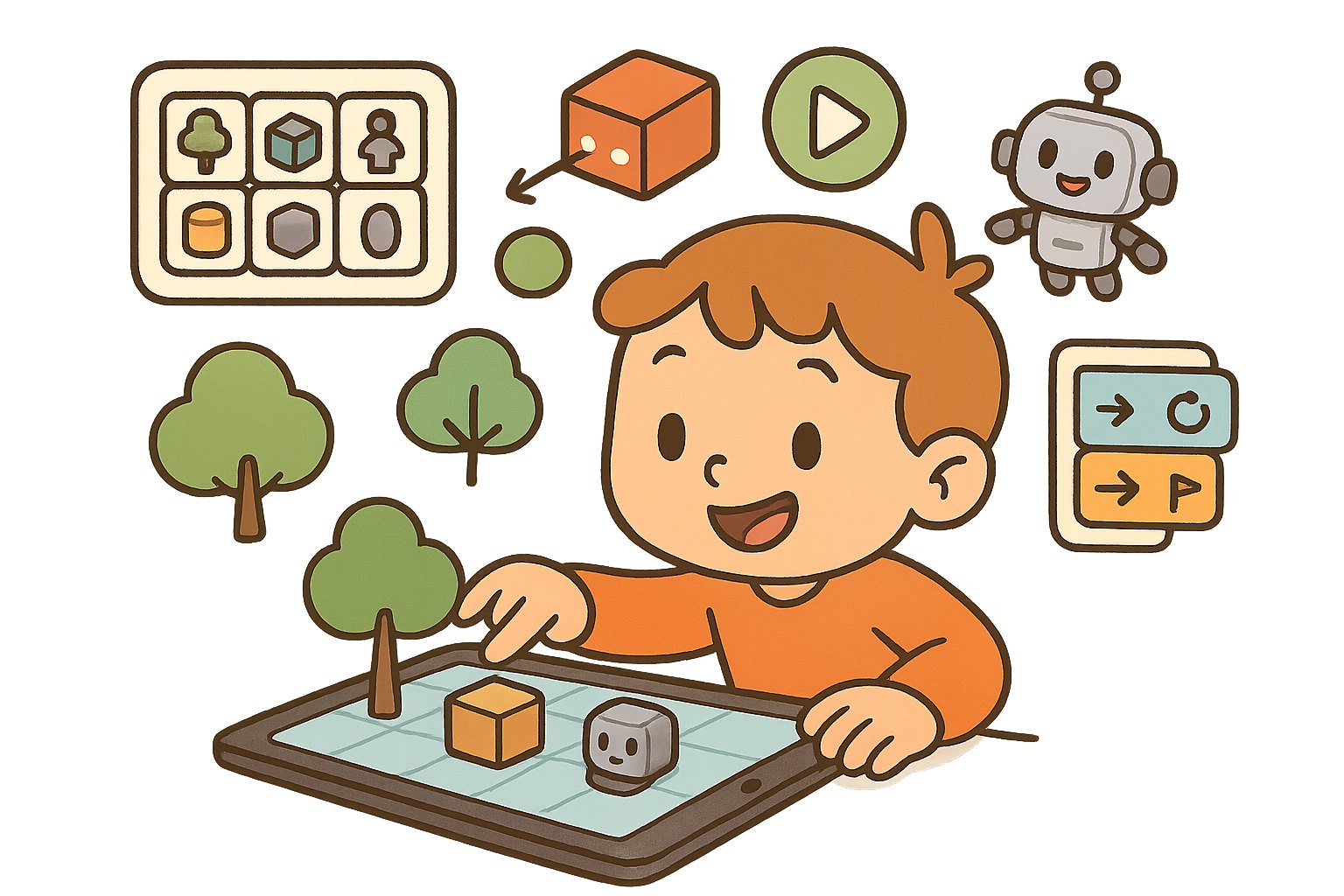
CoSpaces VR/AR Creative Course Thumbnail

Delightex Creative Course

Using Delightex (formerly CoSpaces) as the teaching platform, leading Hong Kong primary students into the creative world of 3D virtual reality (VR).

  • Learning focus: platform operation, 3D scene design, VR/AR creation, interactive design thinking, spatial creativity
  • Course highlights: intuitive and easy to start; works can be exported as mobile AR experiences
  • Competitions/Showcases: CoSpaces creation contest, AR educational app exhibition, virtual museum, cross-disciplinary showcase
  • Future advantages: pathways in EdTech, digital exhibitions, virtual tourism, and further study
CoSpaces VR/AR 3DDesign Interactive Creation
App Inventor Course thumbnail

App InventorApp Development Course

Based on the App Inventor block platform, students learn mobile app design and development easily through drag-and-drop blocks.

  • Learning focus: App Inventor operation, app architecture, user interface, product thinking, user experience
  • Course highlights: low barrier, high output — focus on practical features and publishing showcase
AppDevelopmentBlock-Based CodingUX/UI

Ready to bring innovative STEAM learning to your students?

Contact us for a STEAM programme proposal and quote tailored to your school

中文EN