2612 5555
Rm 11, 18/F, Wing Fung Industrial Building, Tsuen Wan, NT
Get a School Quote

Primary App Inventor App Development Course

Quick course picker
1 course

App Inventor App Development Course

App Inventor Mobile Apps Block-Based Coding
View course
User Interface Design Event-Driven Product Development Mindset
App Inventor In class: Students design and test mobile apps
(Image generated by generative AI)

23. App InventorApp Development Course | Course Overview

Suitable for complete beginners with no prior coding. Based on the App Inventor block platform, students learn mobile app design and development through drag-and-drop blocks. Online or face-to-face modes available; each lesson includes practical tasks and group activities encouraging collaboration and showcasing results.
Content covers programming from fundamentals to advanced topics, including event-driven logic, variables, conditionals, loops, list handling and debugging. Students design multiple games (e.g. maze games, fly swatter, bird flight) and practical apps (e.g. calculator, BMI calculator, weather lookup, notepad), while learning multi-screen design, good user experience (UX), animation and sound integration, and multimedia features such as camera and voice. Advanced sections guide students to use TinyDB mini-databases, connect external data sources (APIs) and implement accessible apps (e.g. text-to-speech TTS). Every student completes a personal project, applying all they have learned and presenting it in class.

What students will learn and gain

  • Master App Inventor operation
  • Understand Application Architecture
  • Learn Block-based Coding
  • Develop Product Development Thinking
  • Design UX Interfaces

Course highlights

Block coding lowers the entry barrier; students develop utility apps, games and learning apps. The course guides the full workflow from ideation, prototyping and testing to publishing, with version control and user feedback iteration — close to real product development.

Future-ready advantages

This course takes students from 'playing' to 'making', using block-based coding to turn ideas into apps that actually run on mobile phones — from simple games to practical tools (such as calculators, BMI trackers and weather lookups) — building computational thinking and problem-solving step by step. The course focuses on key concepts (events, conditions, variables, lists) and debugging habits, and develops good interface and multi-screen design so projects are both easy to use and visually appealing. It also incorporates multimedia and device features (camera, sound effects, text-to-speech) and data handling (TinyDB mini-database, external data sources) to strengthen data literacy and digital creativity. Through ongoing hands-on work and presentations, students practise expression and collaboration, building confidence and focus. Upon completion, they take home installable projects suitable for school showcases, competitions or admission interviews, aligned with local primary STEAM development and laying groundwork for further learning (e.g. advanced apps or AI topics).

Syllabus (example 8-unit programme)

  • Unit 1: Introduction to App Inventor
  • Unit 2: User interface design
  • Unit 3: Event-driven programming
  • Unit 4: Data storage management
  • Unit 5: Multimedia Features
  • Unit 6: Network communication applications
  • Unit 7: Game application development
  • Unit 8: App publishing workflow
(sessions and topics can be adjusted to school needs)

More primary recommendations

The following courses are tailored for upper primary grades, emphasising hands-on work and showcases — ideal for STEM Week, open days, and cross-curricular projects.

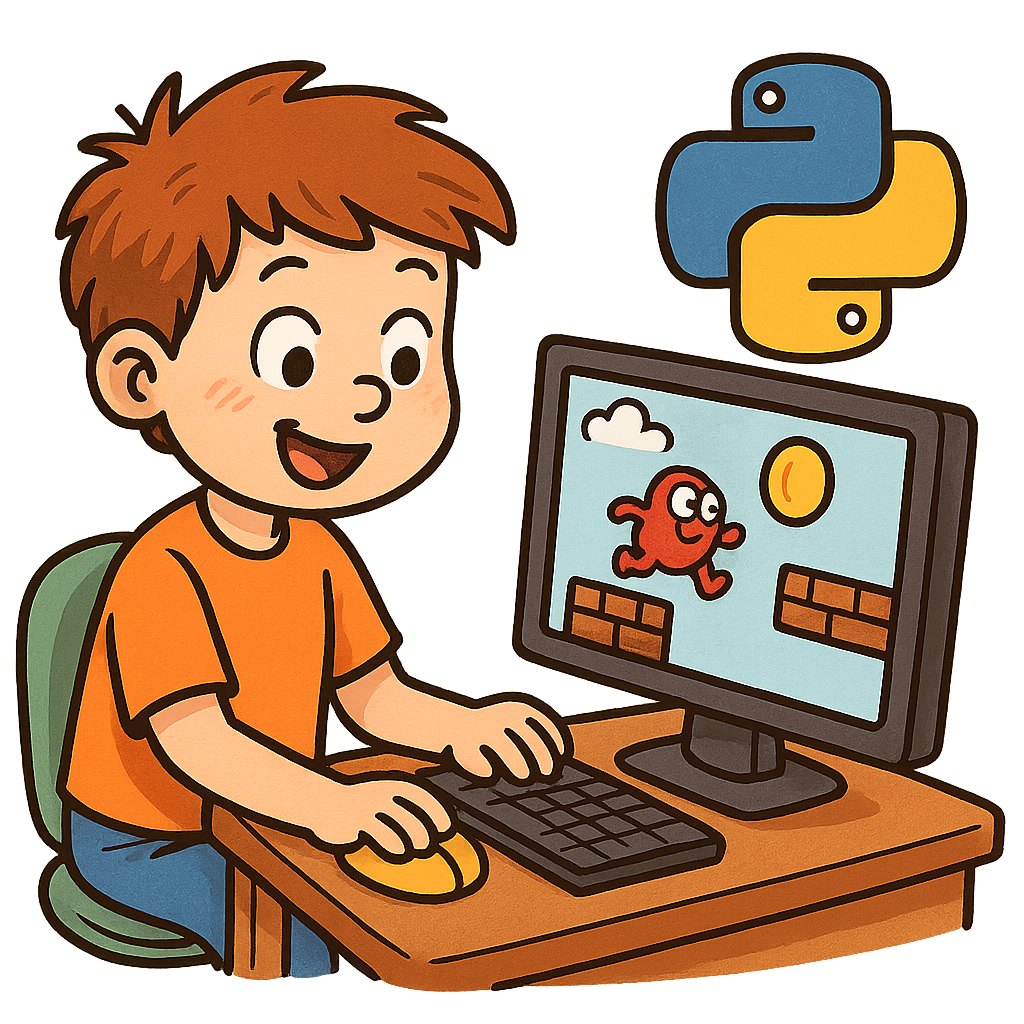
Pygame Game Development Course Thumbnail

PygameGame Development Course

Using accessible Python and the Pygame library to introduce game design and programming.

  • Learning focus: Master Pygame basics, game logic design, graphics concepts, project management, creative design thinking
  • Course highlights: platform, shooter, puzzle and other game types; integrated planning, art, and programming
Python Pygame Game Design Project-Based Learning
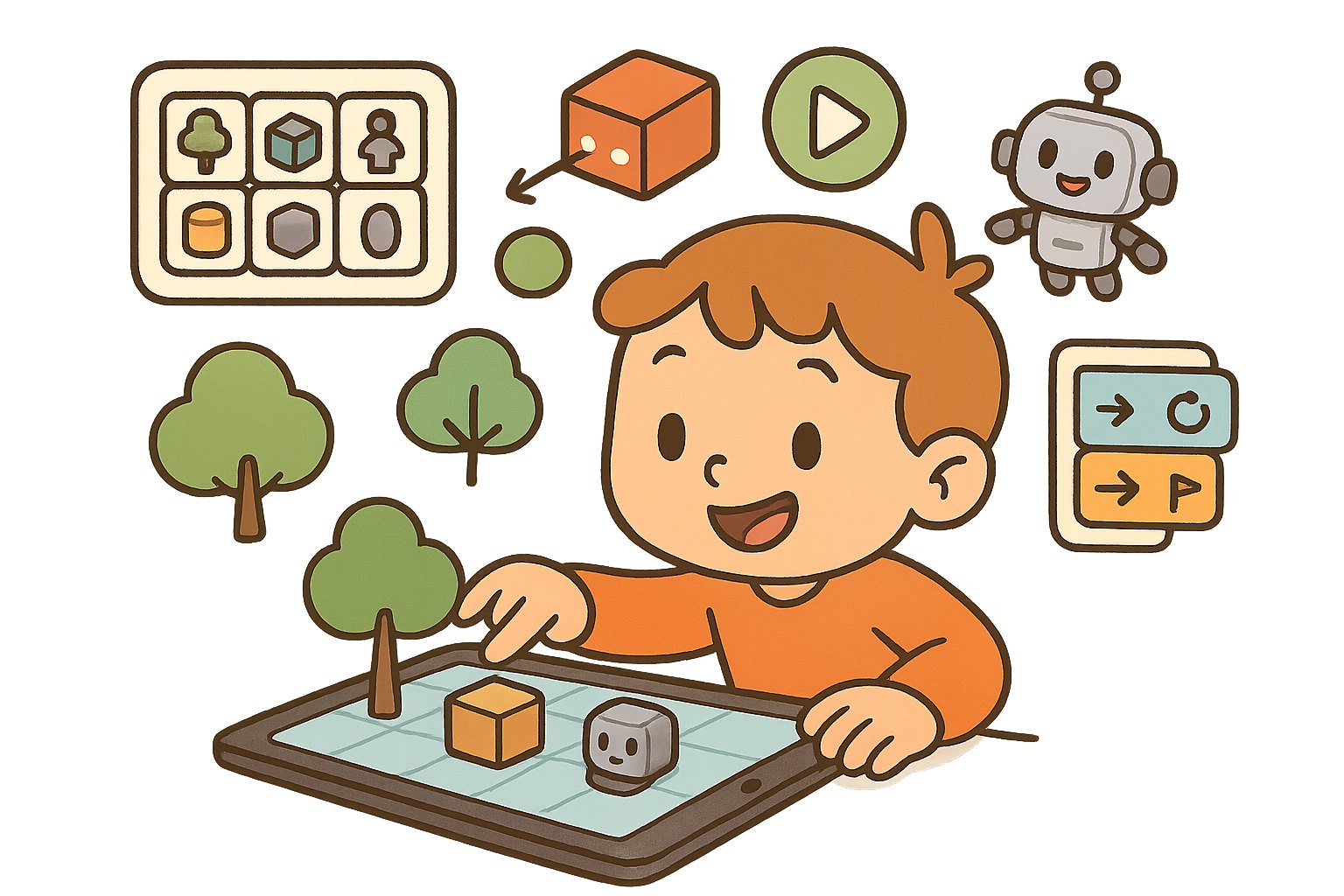
CoSpaces VR/AR Creative Course Thumbnail

Delightex Creative Course

Using Delightex (formerly CoSpaces) as the teaching platform, leading Hong Kong primary students into the creative world of 3D virtual reality (VR).

  • Learning focus: platform operation, 3D scene design, VR/AR creation, interactive design thinking, spatial creativity
  • Course highlights: intuitive and easy to start; works can be exported as mobile AR experiences
  • Competitions/Showcases: CoSpaces creation contest, AR educational app exhibition, virtual museum, cross-disciplinary showcase
  • Future advantages: pathways in EdTech, digital exhibitions, virtual tourism, and further study
CoSpaces VR/AR 3DDesign Interactive Creation
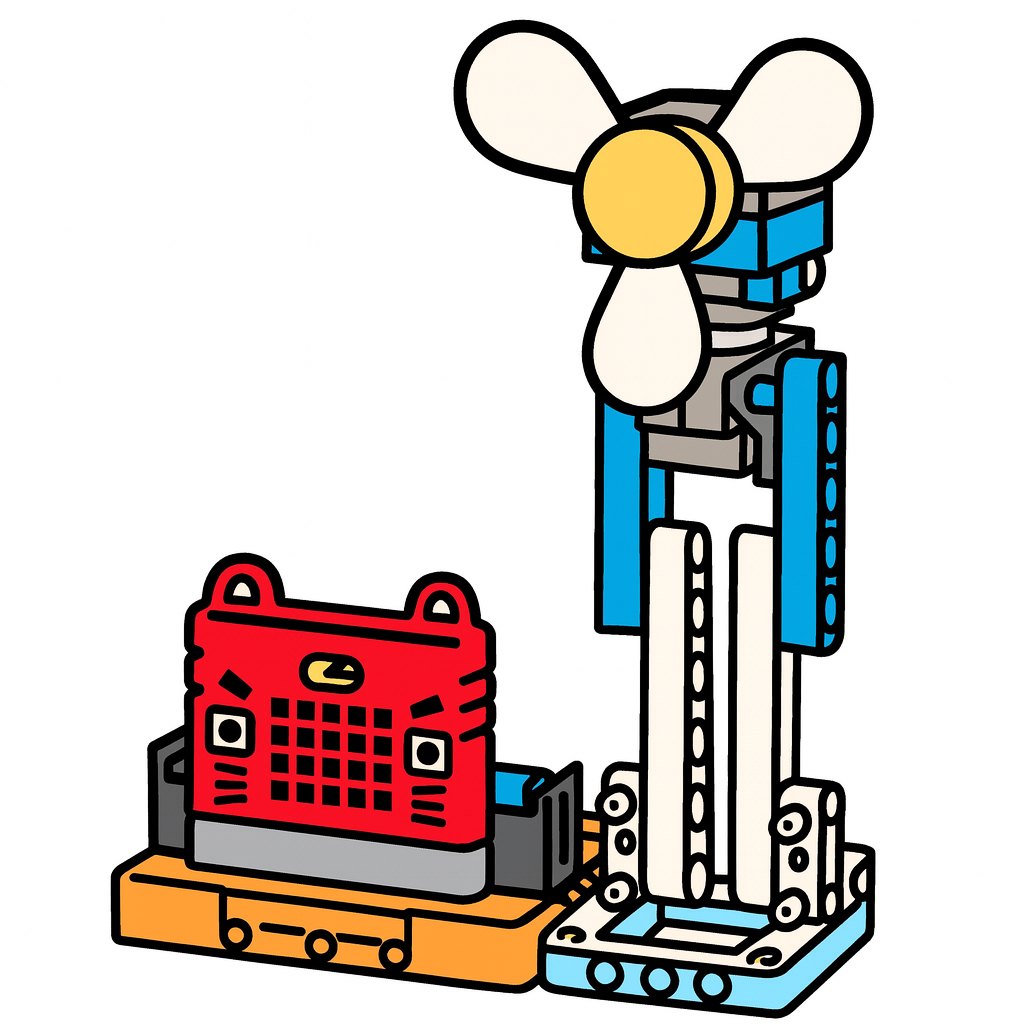
KittenBot IoT Intro Course Thumbnail

KittenBotIoT Introduction Course

Introduce IoT concepts, combining KittenBot and Micro:bit to build smart devices — close to smart city and daily life applications.

  • Learning focus: IoT fundamentals, sensor applications, data collection and transmission, system integration, innovative applications
  • Course highlights: smart home, environmental monitoring, health tracking projects; works can connect to the cloud for remote control
  • Competitions/Showcases: IoT micro:bit Challenge, campus smart device exhibition
IoT Micro:Bit Cloud Connectivity Smart City
Course thumbnail

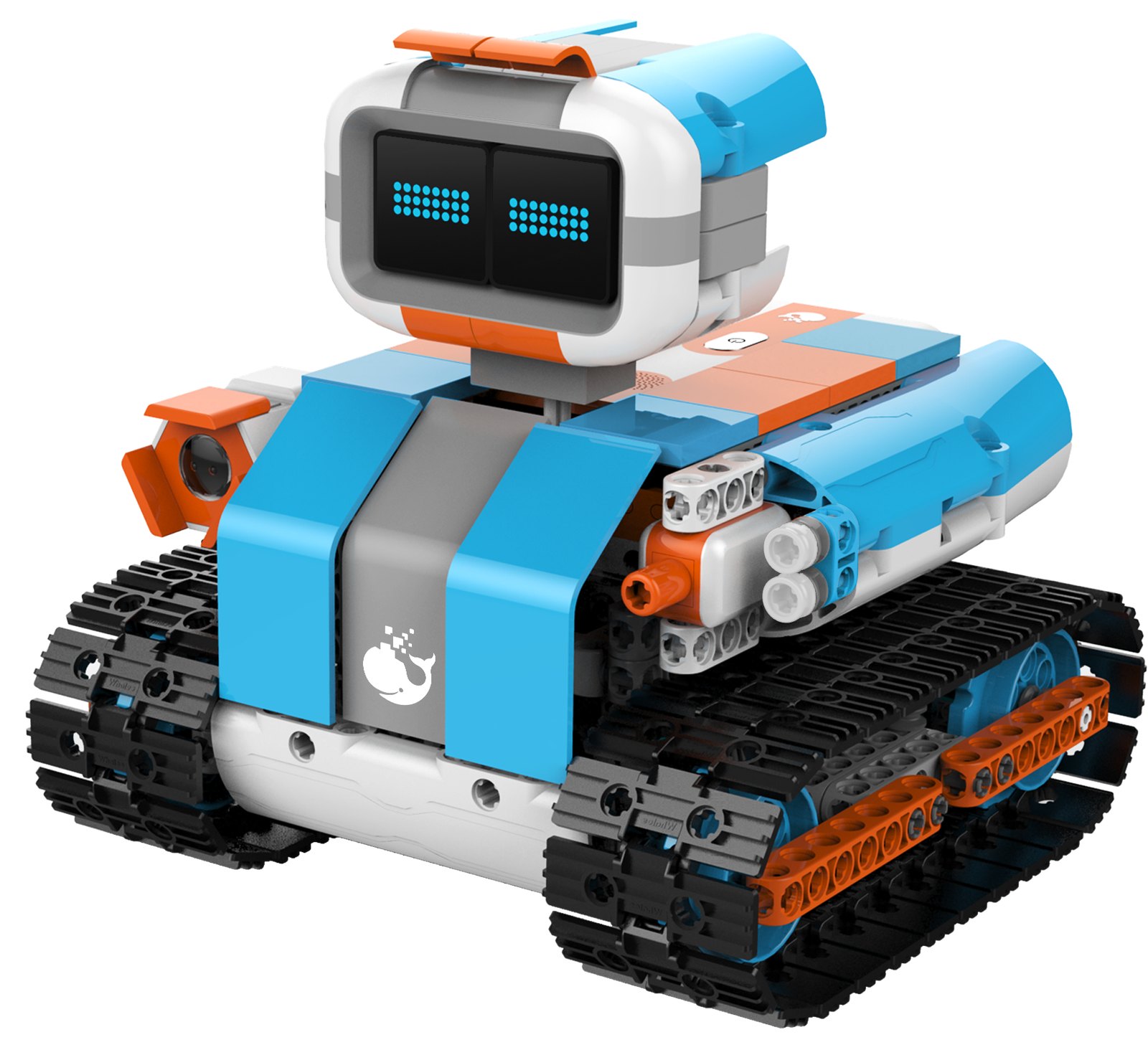
WhalesBot AI 1S AI Coding Course

Using AI Module 1S, students explore robot building, advanced programming and basic AI applications in depth.

  • Learning focus: sensor applications and data processing, foundational AI concepts, robot building and structural design
  • Course highlights: gradual progression from visual to text-based programming, introductory robot structure concepts, programming fundamentals
  • Competitions/Showcases: Hong Kong WhalesBot Regional, Shanghai WhalesBot Global Finals, STEM Week flagship projects
Scratch/Python/C AI Beginner Sensor Data International Exchange

Ready to bring innovative STEAM learning to your students?

Contact us for a STEAM programme proposal and quote tailored to your school

中文EN