2612 5555
Rm 11, 18/F, Wing Fung Industrial Building, Tsuen Wan, NT
Get a School Quote

Secondary 3D Printing and Modelling Course


The following courses for secondary students — from 3D modelling to digital manufacturing — develop professional 3D design and manufacturing skills for future creative industries.

Quick course picker
2 courses

Blender 3DProfessional Modelling Course

3DModelling Animation Production NFTArt
View course

3D3D Printing and Digital Manufacturing Course

Product Design Digital Fabrication Innovation & Entrepreneurship
View course
3DModelling Animation Production Visual Design
Video editing class: students create with editing software
(Image generated by generative AI)

Blender 3DProfessional Modelling Course | Course Overview

This course guides students into professional 3D creation knowledge and skills. Blender — a powerful, widely used open-source 3D software — is the core teaching tool, enabling systematic learning from basic modelling, material assignment and advanced rendering to data management, with initial exposure to applications in game development, visual effects and virtual reality. Through project-based practice, systematic teaching and interactive learning, the course develops professional competence in 3D design, computational thinking and artistic creation, laying a solid foundation for future development in technology and creative fields.

What students will learn and gain

  • Master Blender workflows
  • Master Advanced Modelling Techniques
  • Master 3D Data Management
  • Explore Geometry Nodes programming

Course highlights

Systematic learning from basics to professional level with commercial-quality work. Learn professional skills — character modelling, scene design, effects production. Output for 3D printing, VR display and game development.

Future-ready advantages

In class, students analyse object structure and data, learn different modelling methods and train critical thinking and problem-solving. Facing technical challenges, they observe actively, debug and try different solutions, building patience and adaptability. They turn creative ideas into 3D works and learn to manage 3D data and use advanced tools (e.g. geometry nodes, modifiers) for more complex effects.
Students also learn materials and shaders, vertex groups and shape keys, cross-software collaboration and presentation methods. They experience 3D data organisation and management, understand the mathematical principles behind design and try industry-standard add-ons. Through practice and creation, students improve professional skills and learn to express design ideas clearly, collaborate with peers and develop personal style — paving the way for future innovation, technology and digital media.

Product Design Digital Fabrication Innovation & Entrepreneurship
Video editing class: students create with editing software
(Image generated by generative AI)

3D3D Printing & Digital Manufacturing Course | Course Overview

This course guides students into cross-disciplinary 3D modelling and virtual reality (VR). Professional Blender software is used for 3D model creation; work is deployed to the Spatial metaverse platform so students can tour their own 3D scenes in virtual worlds.
Students also learn 3D modelling software such as Blender to create highly realistic campus 3D models displayed on metaverse platforms (e.g. Spatial). Touring virtual campuses builds spatial cognition, problem-solving and digital creative design skills.

What students will learn and gain

  • 3DAdvanced Modelling Techniques
  • Enhance spatial cognition and imagination
  • Learn Materials Science Basics

Course highlights

The full experience from concept design to batch production. Learn different 3D printing technologies and material properties.

Future-ready advantages

Students master practical 3D modelling, scene design and VR application skills and learn to turn real environments into digital 3D models, improving spatial cognition, structural analysis and creative design. In projects and group work, they solve modelling, scale and file conversion challenges, building problem-solving, teamwork and communication.

More secondary recommendations

The following courses for secondary students cover 3D modelling, game development, AR/VR and AIoT — developing technical ability comprehensively.

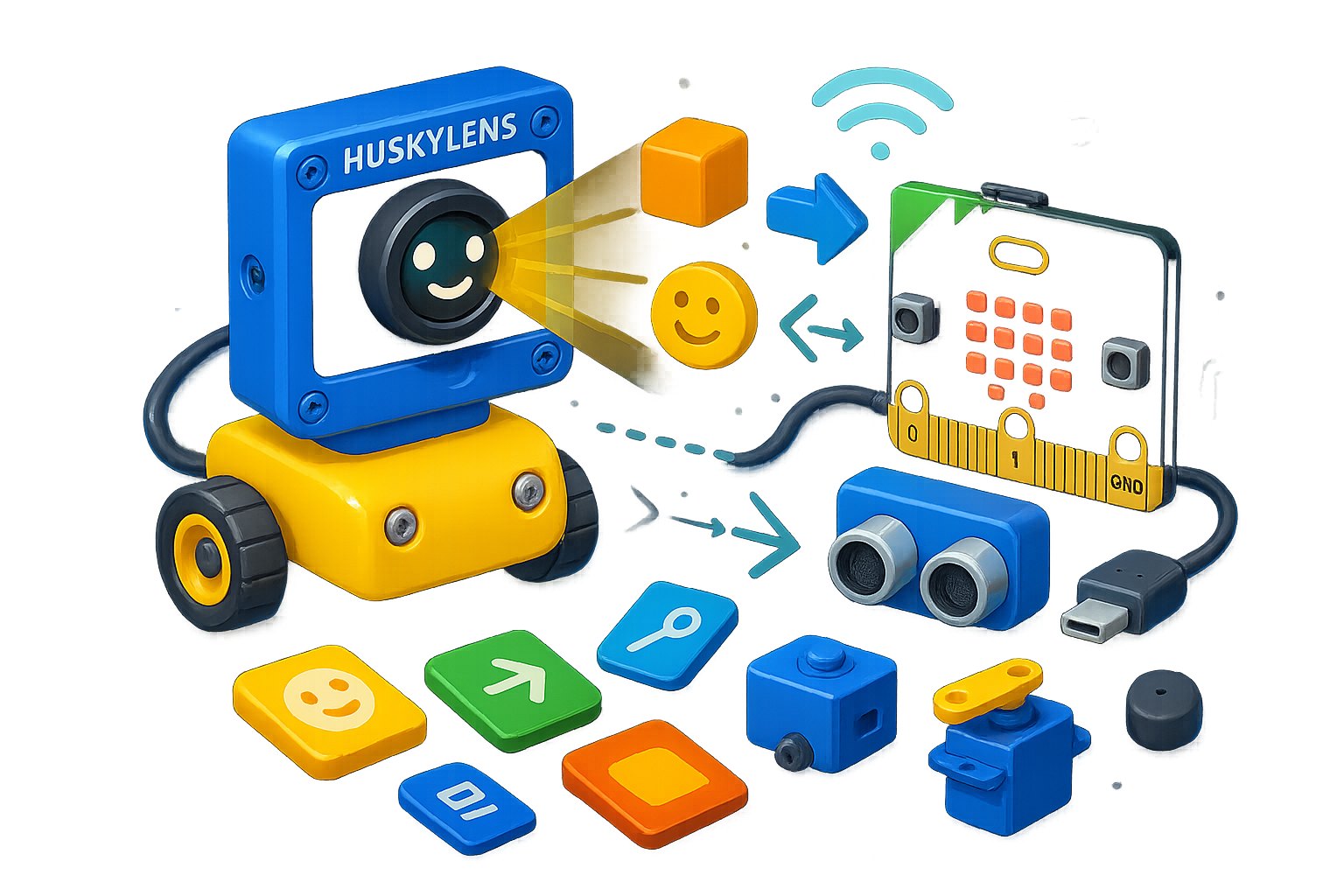
HuskyLensCourse thumbnail

HuskyLens AIVisual Applications Course

Combining Micro:bit and HuskyLens for AI vision learning, students practise image recognition, object tracking and face recognition and apply these to autonomous robot navigation, interactive tasks and IoT smart environment construction.

AIVisual recognition Hardware Integration Real-world applications
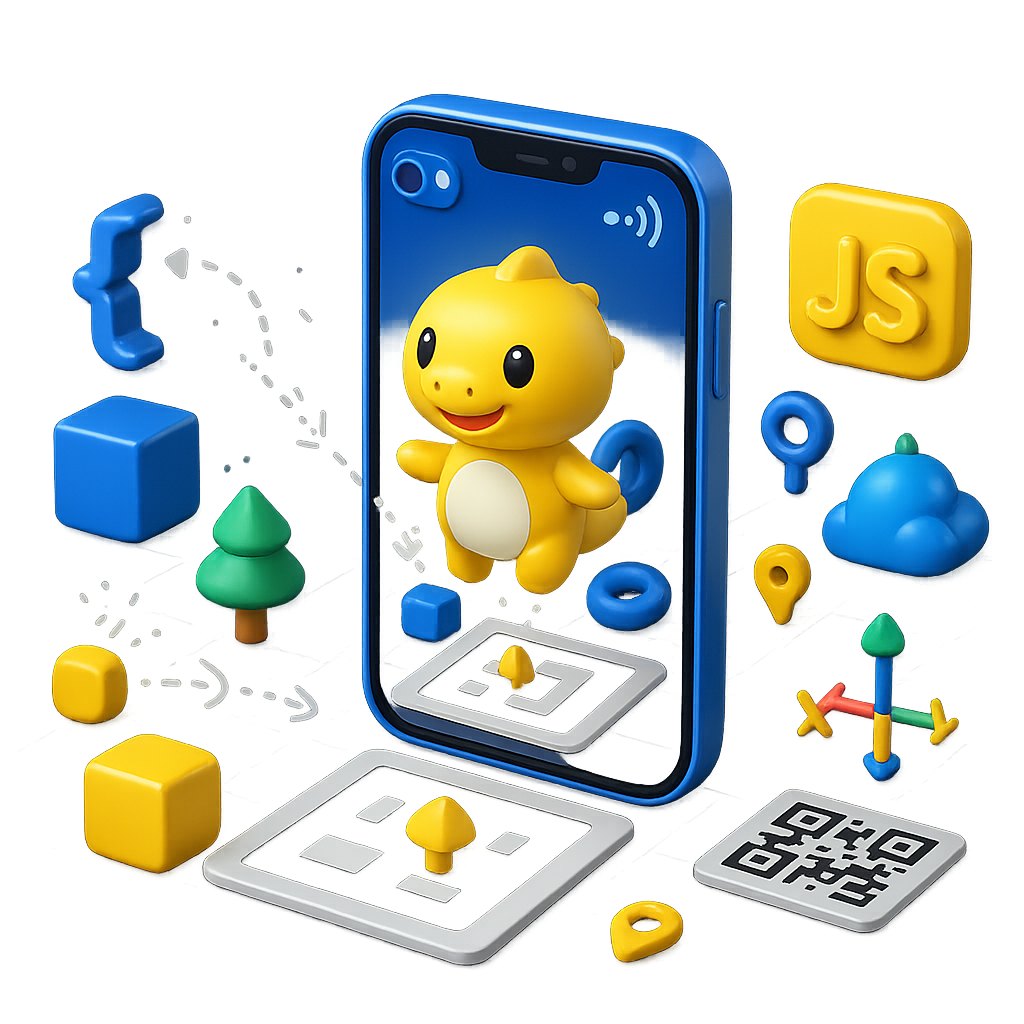
AR.jsCourse thumbnail

AR.jsAugmented Reality Development Course

Built around AR.js augmented reality, combined with HTML, JavaScript and the Three.js 3D library, letting students create interactive AR experiences in the browser.

ARDevelopment Application Development Interactive design
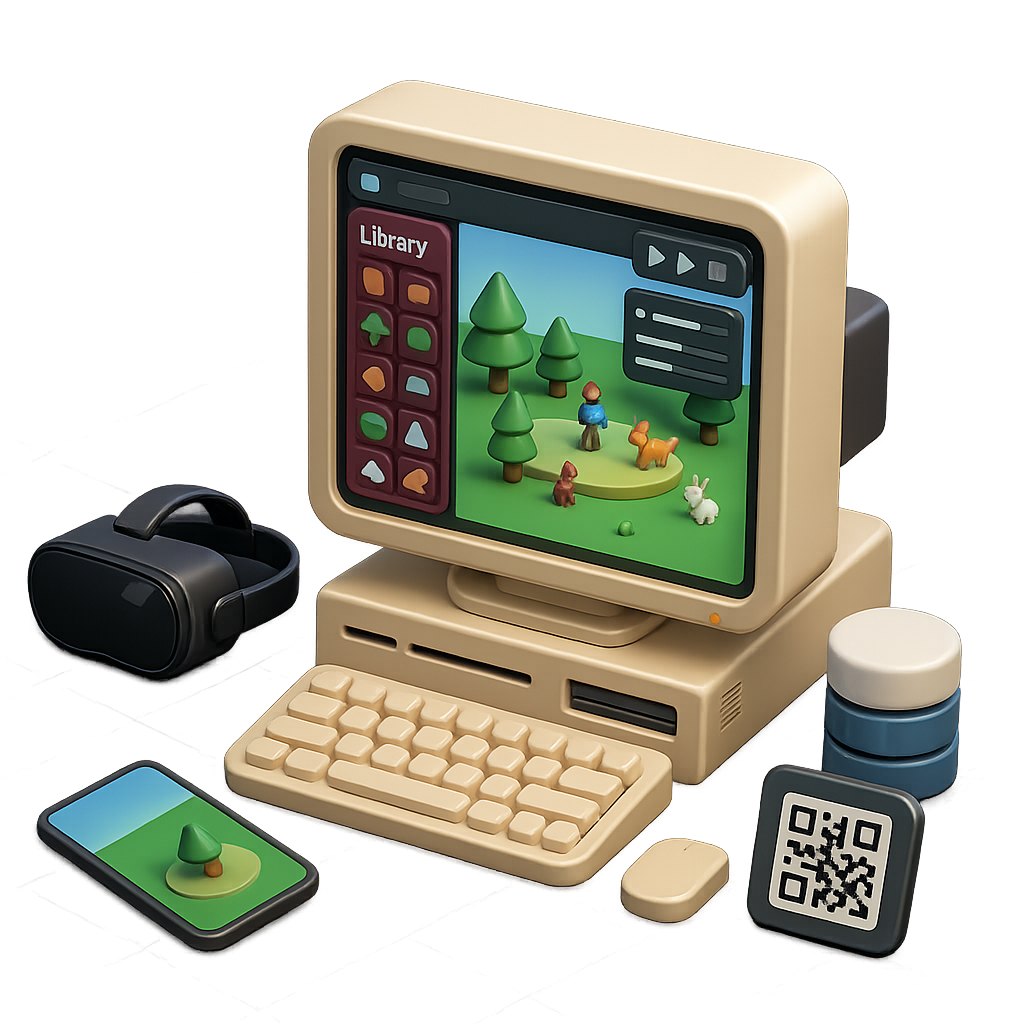
CoSpacesCourse thumbnail

CoSpacesAdvanced VR/AR Creation Course

Using Delightex (formerly CoSpaces) as the platform to explore 3D virtual reality (VR), augmented reality (AR) and interactive design in depth

VRCreation Interactive design Educational Applications
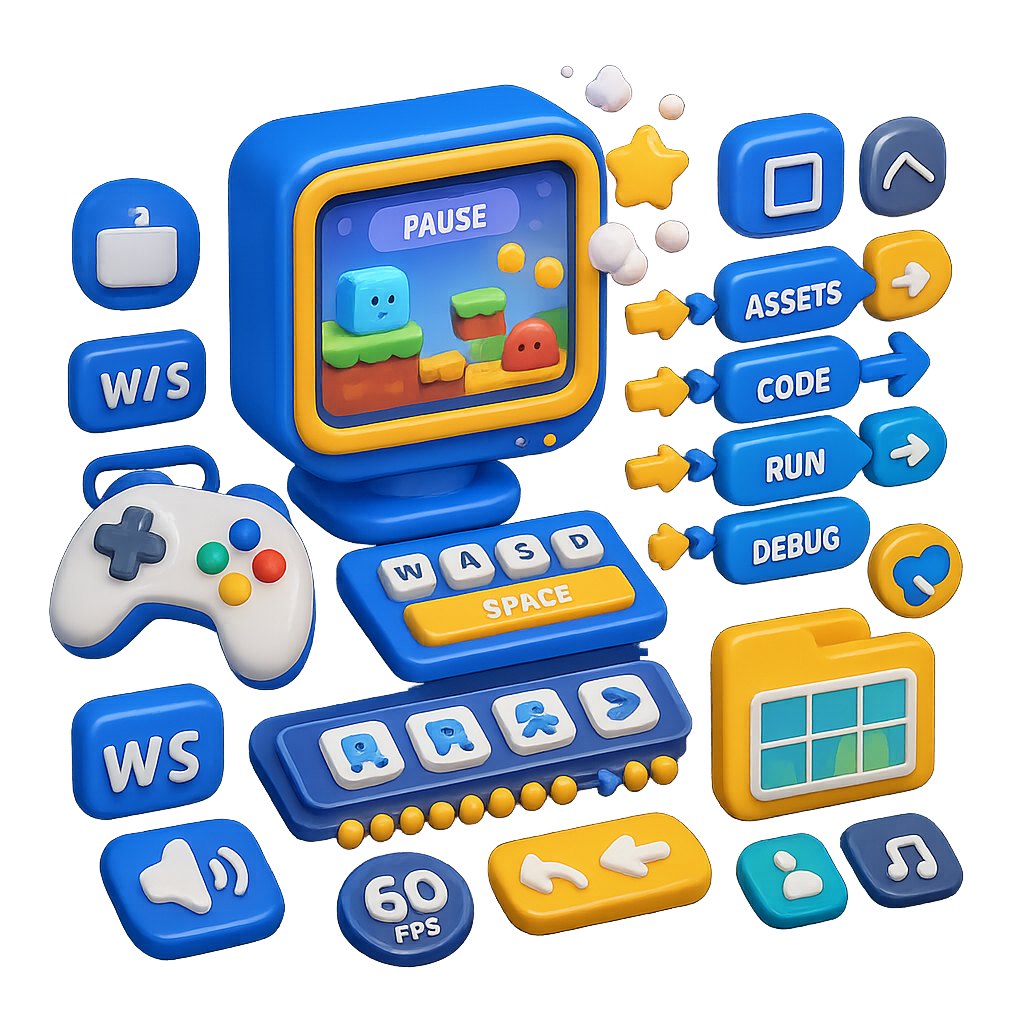
PygameCourse thumbnail

PygameAdvanced Game Development Course

Using Pygame as the platform, content covers advanced image processing, object-oriented programming, game logic, state management, animation, collision detection, data storage, game projects and teamwork.

Game Development Python Indie Games

Ready to bring innovative STEAM learning to your students?

Contact us for a STEAM programme proposal and quote tailored to your school

中文EN