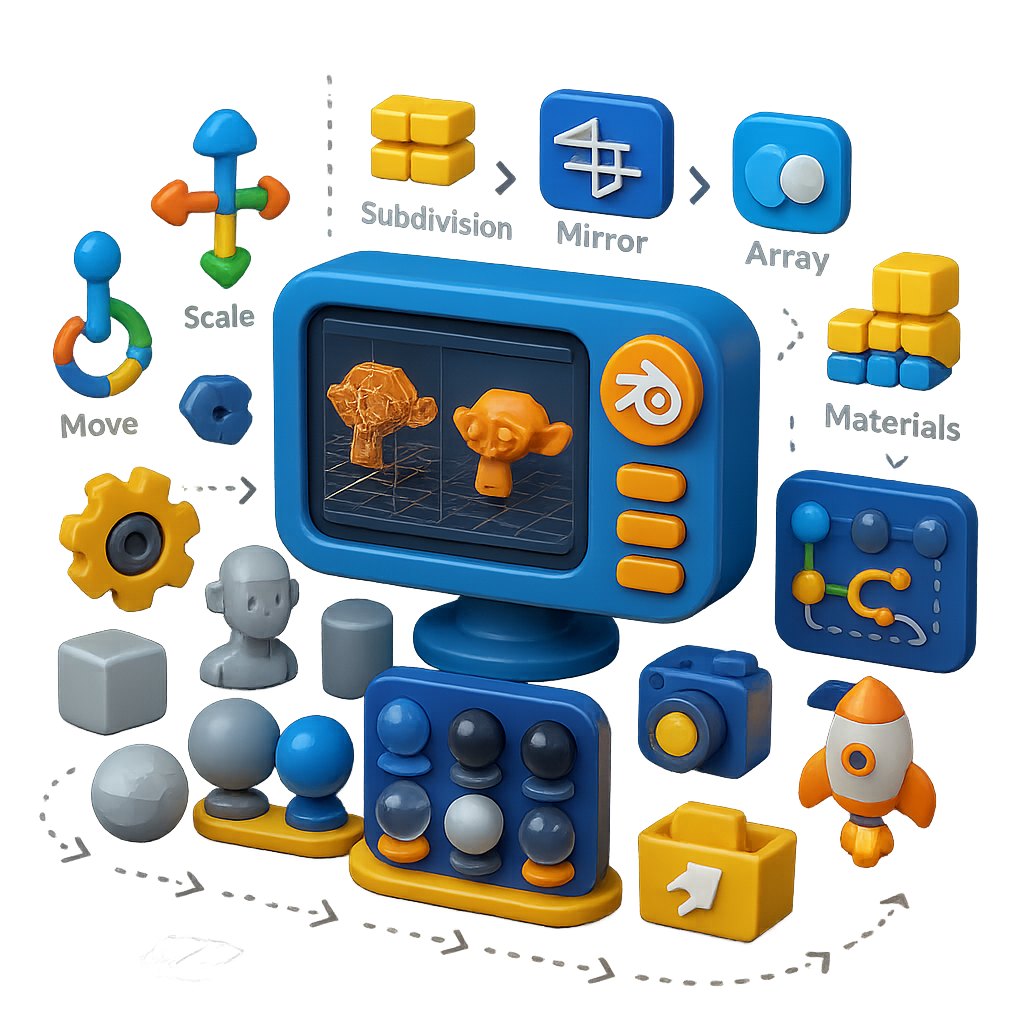
Blender 3DProfessional Modelling Course
Teach professional 3D modelling techniques and develop 3D design skills. Work can be used in game development, VR display, 3D printing and more.

The following courses for secondary students — from basics to advanced — develop game development skills for future metaverse talent.

Using Delightex (formerly CoSpaces) as the platform, this course explores 3D virtual reality (VR), augmented reality (AR) and interactive design in depth. Students combine advanced programming (e.g. Javascript), mathematical modelling, physics simulation and story design to create professional-quality VR/AR projects. Encouraging cross-disciplinary application, students use technology, design, science and language knowledge to design interactive games, virtual tours, digital stories and STEM simulation experiments. Through group collaboration and innovation challenges, students improve problem-solving, logical thinking, project management and creative expression, preparing for future technology and creative industries.
Combining visual design and programming development. Projects include virtual museums, VR training systems, AR guide apps and more. Learn multi-platform publishing and optimisation.
Students master today's most promising VR/AR and 3D interaction design technologies, turning abstract programming, mathematical and design theory into concrete, professional digital creation. They learn advanced CoSpaces features and apply Javascript for personalised development, tackling large projects with cross-domain knowledge integration. Lessons emphasise project practice and teamwork, building project management, communication and innovative problem-solving.
For students with basic Python experience, this course develops game development skills and the joy of digital creation and logical design. Using Pygame, content covers advanced image processing, object-oriented programming, game logic, state management, animation, collision detection, data storage, game projects and teamwork. Students learn to design, plan, code and release their own games from scratch, improving problem-solving, creativity and digital literacy.
The complete journey from game planning to release. Learn professional skills such as game balance and level design.
Through this course, students learn advanced Python and Pygame and practise full 'zero to one' project development — from ideation, planning and division of labour through design, coding, testing to release — experiencing the complete software development workflow. They face technical and collaboration challenges, learning to analyse problems, break down steps, negotiate roles and find solutions — skills highly valued at university and in the workplace.
Game development is a cross-disciplinary platform covering mathematics (coordinates, operations, probability), art (UI, character design), music (sound effects, background music), language (rules, UI text), logical reasoning and more. Students apply daily learning and develop leadership and communication in teamwork, improving self-management and responsibility.
Using Unity as the main development platform with Meta/Oculus VR headsets, this course takes students from zero to systematic learning of 3D game production and virtual reality (VR) development. Content covers Unity basics, 3D model import, physics interaction, game mechanics design, database integration, NPC dialogue, UI creation, VR controller interaction, haptic feedback and more, with multiple project builds including racing, shooting, survival and golf VR games — from beginner to advanced, mastering modern VR technology and game development workflows.
Students will experience and master cutting-edge virtual reality (VR) and game development technologies firsthand.
Starting from zero, students with or without programming experience can progressively learn Unity, VR device operation, 3D modelling and interaction design. They combine IT, mathematics, physics and creative design to build their own VR games and turn ideas into interactive digital worlds. Theory and practice go hand in hand; through multiple projects and teamwork, students improve problem-solving, creative thinking and collaboration while building confidence and self-directed learning. Upon completion, students have their own VR game portfolio.
The following courses for secondary students cover 3D modelling, digital manufacturing, video production and mobile app development — developing creativity and technical ability comprehensively.
Teach professional 3D modelling techniques and develop 3D design skills. Work can be used in game development, VR display, 3D printing and more.
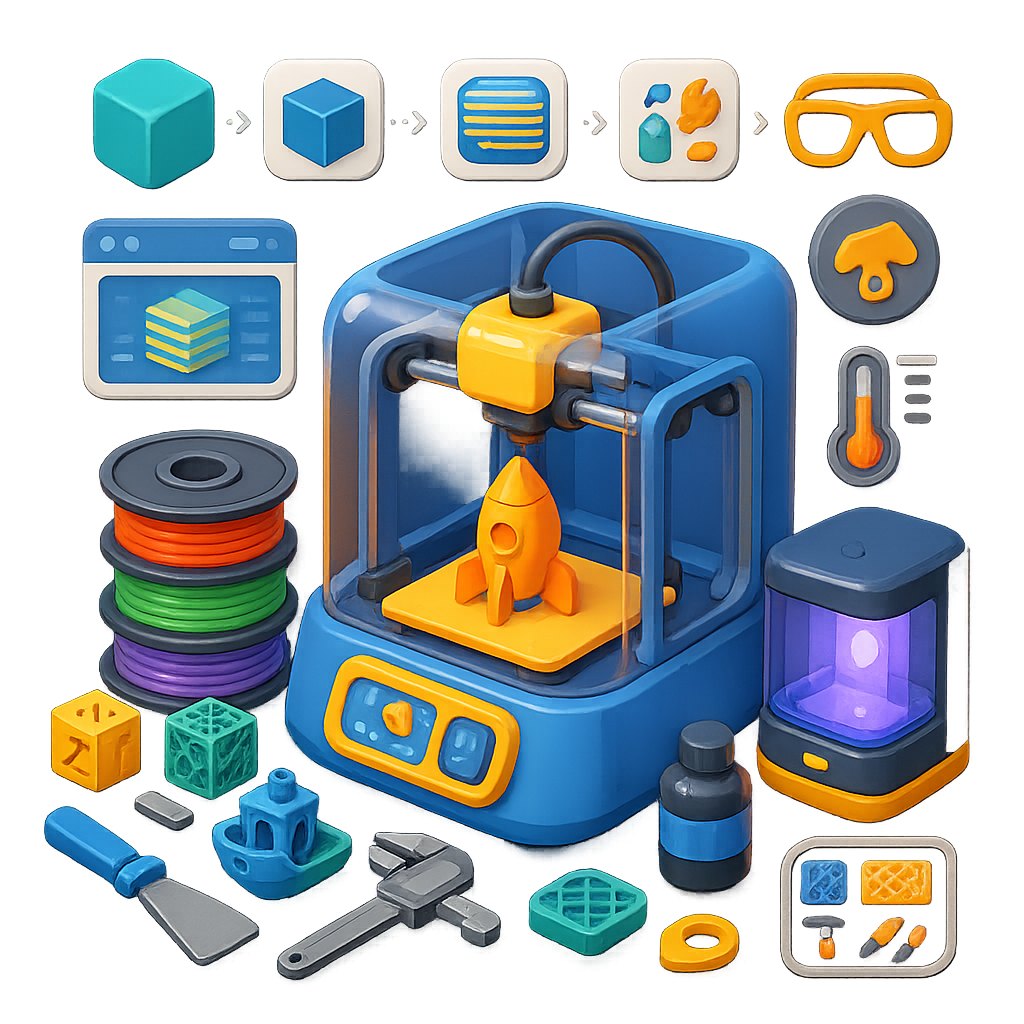
Complete 3D printing learning from design to manufacturing. Develop innovative products and enter invention fairs.
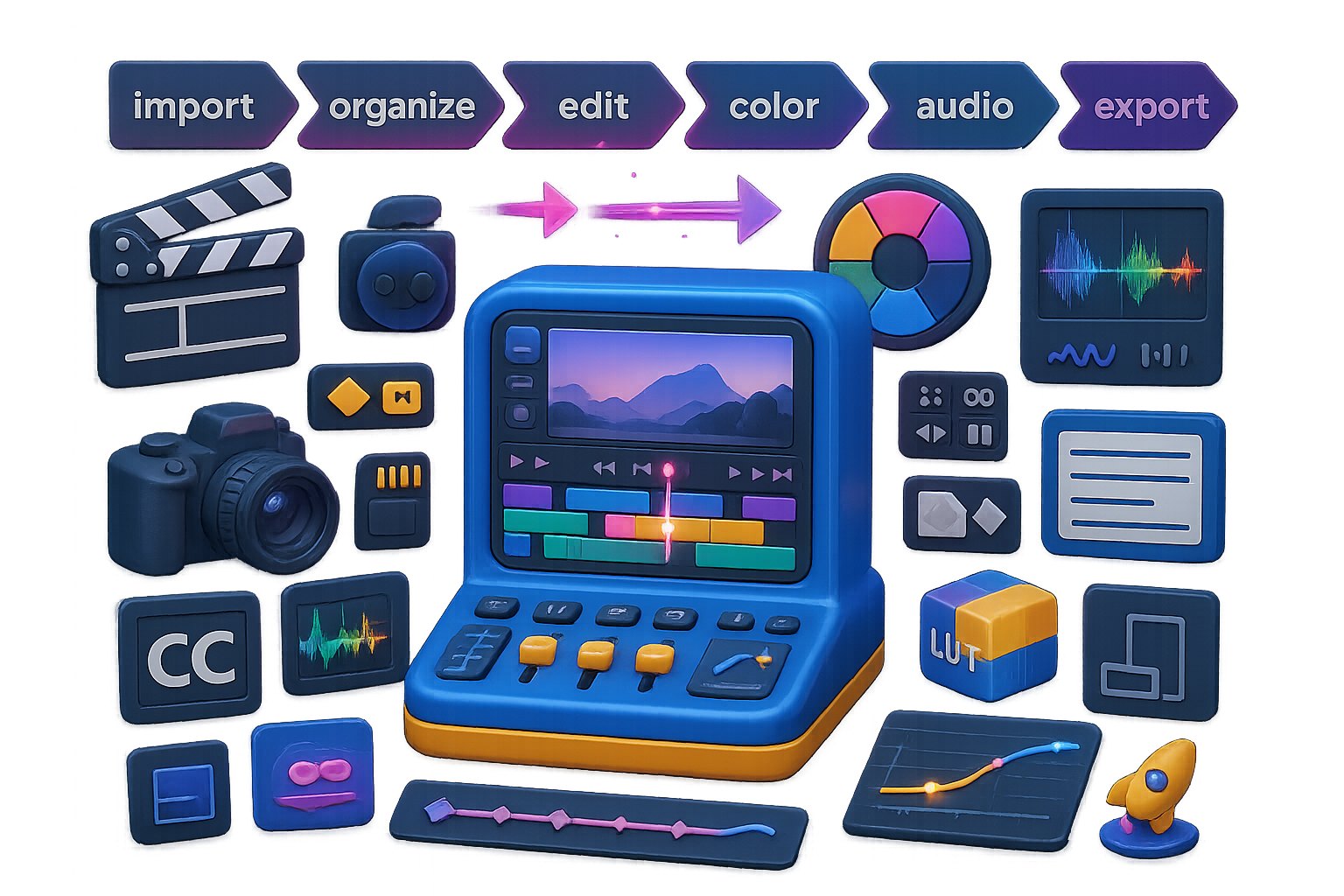
Learn professional video production with industry-standard Adobe Premiere Pro. The workflow mirrors real production: from choosing a theme and simple storyboard and shot list, arranging filming, to editing, polishing, sound design and exporting for different platforms (including vertical 9:16).
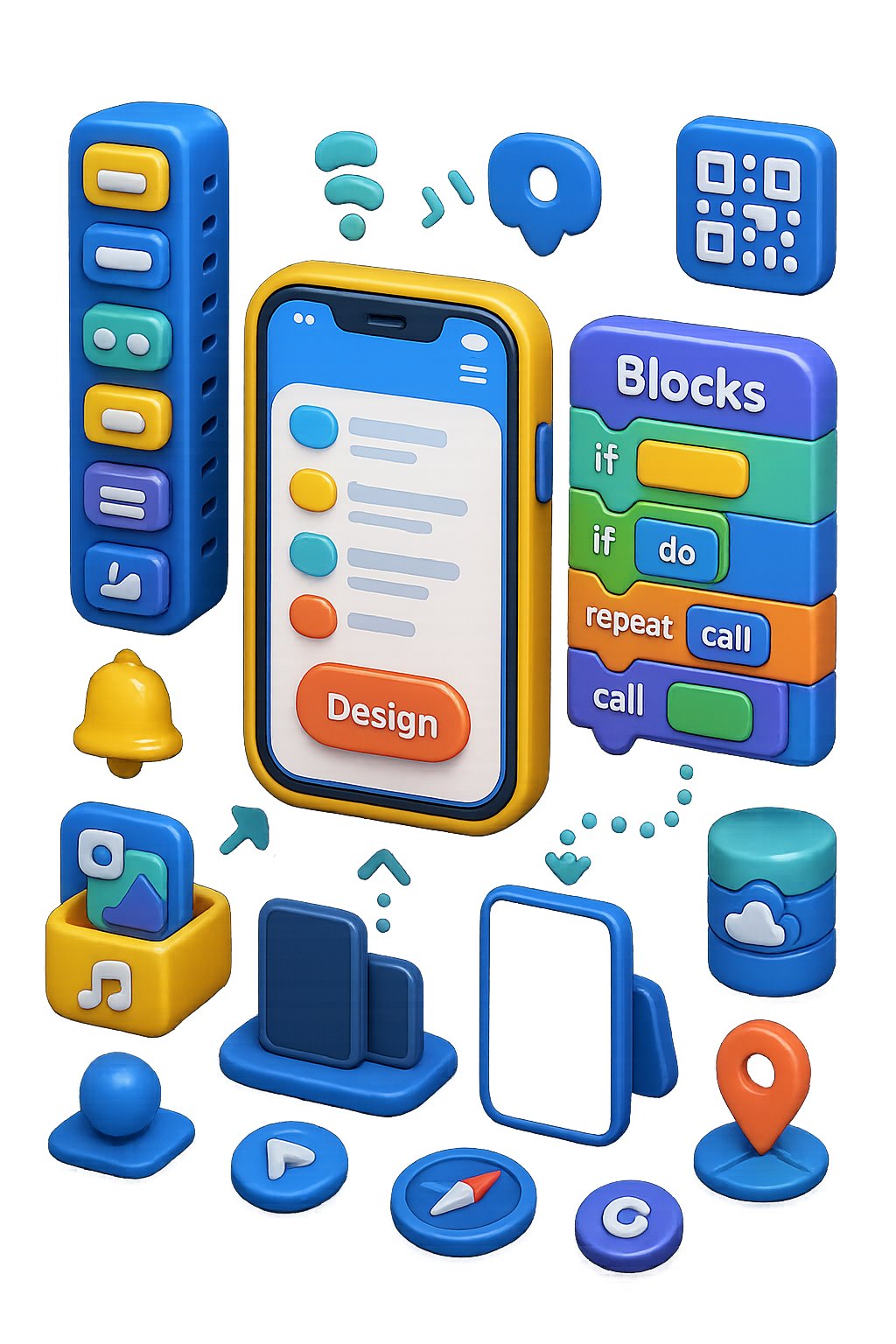
Learn advanced mobile app development and master the full workflow from ideation to publishing. Centred on 'project-based learning + advanced techniques', combining game development, sensors, multimedia, data storage, external data and introductory AI.
Contact us for a STEAM programme proposal and quote tailored to your school