2612 5555
Rm 11, 18/F, Wing Fung Industrial Building, Tsuen Wan, NT
Get a School Quote

Primary Robotics Course


Our robotics courses are designed for different age groups — from basic programming to competition training, progressively building technology literacy and hands-on ability.

Quick course picker
9 courses

VEX 123 Coding Mindset

P1–P3 Foundation Coding
View course

VEX GO Robotics Programming

P3–P6 Advanced Robotics
View course

VEX IQ Competition Courses

P4–P6 Competition Training
View course

VEX AIM AIRobot

P4–P6 AIApplications
View course

WhalesBot U10 Foundation

P1–P2 Screen-free coding
View course

WhalesBot U20 Advanced

P3–P4 Sensor Applications
View course

WhalesBot U30 Advanced

P5–P6 Multi-Sensor Integration
View course

WhalesBot AI 1S

P5–P6 Multilingual Coding
View course

WhalesBot AI 5S

P5–P6 International Competitions
View course
Foundation Coding Computational Thinking P1–P3
VEX 123 Coding Class Highlights
(Image generated by generative AI)

VEX 123 Computational Thinking Course | Course Overview

Designed for Hong Kong P1–P3 students, this course uses hands-on, inquiry-based learning to introduce the fun world of programming. VEX 123 robots need no computer screen — students use physical coding cards and touch operation to 'command' robots through tasks, developing key computational thinking and problem-solving. Closely aligned with EDB curriculum guidelines, it lays a solid STEM foundation.

Learning focus

  • Master programming concepts such as sequences, loops, and conditionals
  • Develop Algorithm Design Skills
  • Develop Debugging and Optimisation Skills
  • Strengthen Logical Reasoning

Course highlights

Project-based learning with clear task objectives per unit. Physical coding cards lower the entry barrier; competition elements boost motivation.

Competitions & showcase opportunities

  • VEX 123Hong Kong Regional Events
  • Territory-wide Primary STEM Competition
  • Inter-school Robotics Invitation Tournament
  • School Open Day highlight showcase

Future-ready advantages

VEX 123 Beyond learning programming, the course develops comprehensive abilities for future challenges. By breaking complex problems down, recognising patterns and designing algorithms, students systematically learn to think and solve problems — closely aligned with the EDB's computational thinking goals. Students also design unique robot movements, turning creative ideas into reality and fully unleashing innovation.

Mechanical Structures Block-Based Coding P3–P6
VEX GORobotics Coding in Class
VEX GOIn-class moments

VEX GO Mechanical Programming Integration Course | Course Overview

Through hands-on building and block programming, students explore engineering, coding and problem-solving. The VEX GO system provides rich plastic parts for assembling robots; VEXcode GO block programming lets students easily 'command' robots through various tasks. The course inspires creativity and develops computational thinking, problem-solving and teamwork.

Learning focus

  • Understand mechanical principles and structural design
  • Master Block Coding Techniques
  • Apply Sensor Data in Projects
  • Develop Engineering Design Thinking
  • Develop Project Management Skills

Course highlights

Hands-on practice combined with theory; project tasks cover real-world applications. Group collaboration builds teamwork; showcases train presentation skills.

Competitions & showcase opportunities

  • VEX GO Competition
  • Innovation and Technology Carnival
  • School Open Day

Future-ready advantages

This course goes beyond playing with robots — it helps students break big problems into smaller parts, design their own commands and find and fix small errors, becoming smart young problem-solvers. Like little engineers, they assemble parts and turn ideas into real mechanical creations. They face different challenges, think actively, try new methods and learn from mistakes, growing more confident tackling difficult problems. Teamwork is equally important — planning, building and coding together, learning to communicate and share to complete tasks as a team.

Competition Training Engineering Design P4–P6
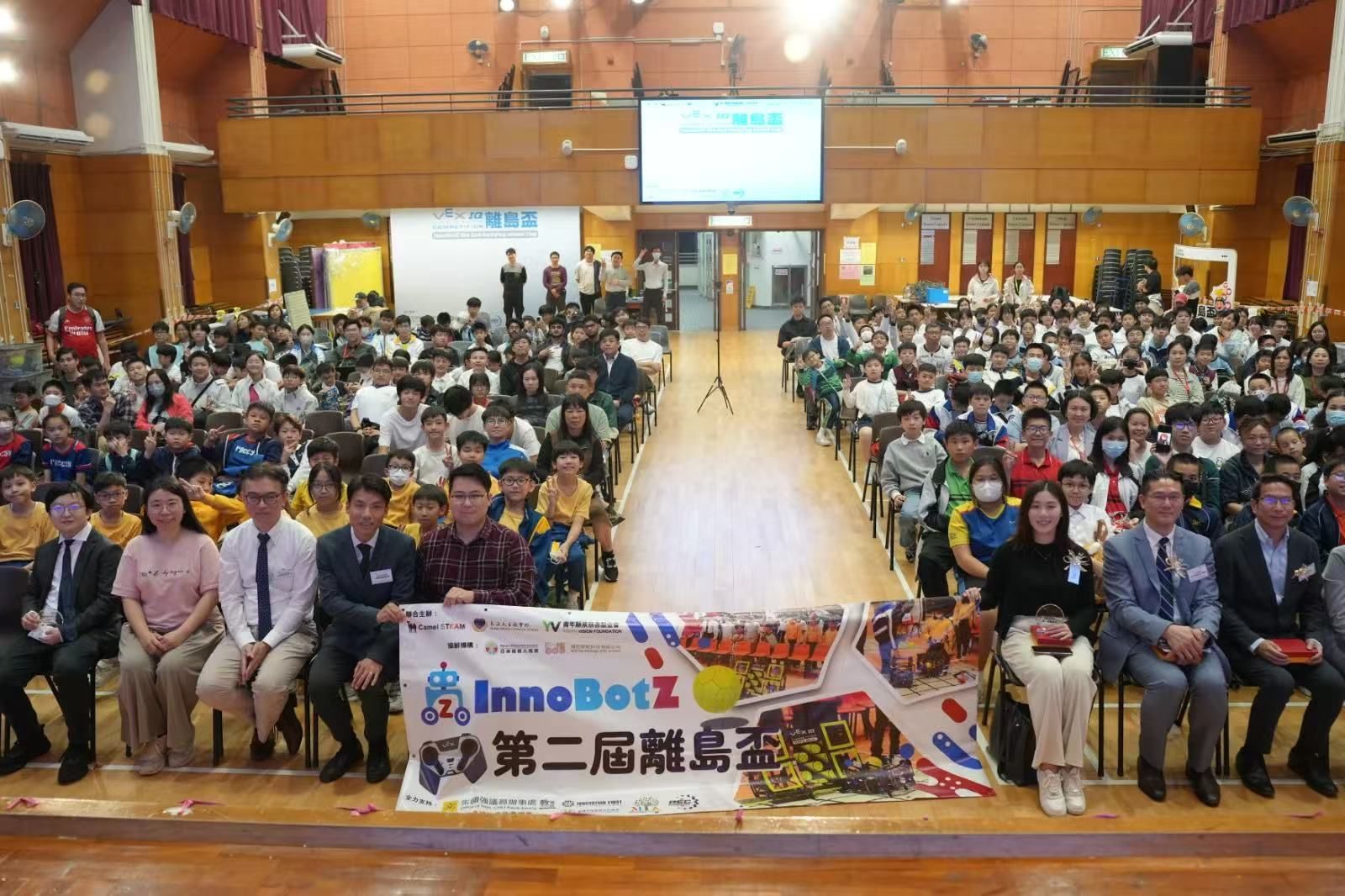
VEX IQCompetition Class Highlights
VEX IQCompetition Training Sessions

VEX IQ Competition Robotics Course | Course Overview

Tailored for upper primary students, this course inspires STEM interest and provides a hands-on platform for basic robot building and programming through fun activities. Simple competition challenges let students experience teamwork and the joy of competition in a relaxed atmosphere.
Guided inquiry-based teaching encourages hands-on problem-solving and creativity. Through basic building and simple programming, students learn to apply STEM knowledge to real tasks, laying foundations for further learning.

Learning focus

  • Master competition robot design principles
  • Develop Automated Programmes
  • Understand Data Analysis and Optimisation
  • Build Competition Mindset and Resilience
  • Develop Team Leadership Skills

Course highlights

Includes simulated competition training for practical experience. Engineering notebook training builds recording habits; team projects improve collaboration. Professional coaches with world championship experience provide top-level guidance.

Competitions & showcase opportunities

  • VEX IQ Hong Kong Regional

Future-ready advantages

Through fun activities such as building robot bases and block-stacking challenges, students learn basic mechanical knowledge and programming through hands-on operation. Gamified teaching helps students learn problem-solving and logical reasoning in a relaxed atmosphere.
Hong Kong primary students face heavy academic workloads; this course offers hands-on practice beyond textbooks, applying knowledge in real scenarios. Group work helps students communicate and collaborate with peers — vital for interpersonal and team awareness. Most importantly, inspiring content cultivates interest in technology from an early age, laying foundations for future STEM study.

AIApplications Visual Sensing P4–P6
VEX AIM AIIn-class moments
VEX AIM AIHands-On Sessions

VEX AIM AI Robotics Course | Course Overview

This course leads primary students into the wonderful world of AI and robots. Students use remote controls and touch buttons to 'command' robots and help them 'see' and recognise different things. Games and challenges make programming, AI sensing and problem-solving easy, improving logical and creative thinking. Through group work, students plan and complete tasks together, learning communication and teamwork.

Learning focus

  • Understand AI vision sensing principles
  • Master Object Recognition Technology
  • Learn Intelligent Decision Coding
  • Develop Applied AI Thinking
  • Develop Innovative Solutions

Course highlights

Students operate robots hands-on, experiencing how AI vision 'sees' and identifies objects. Games and challenges teach programming, effectively improving logical thinking, problem-solving and teamwork.

Competitions & showcase opportunities

  • Hong Kong AI Challenge
  • Youth Innovation and Technology Competition
  • Intel AI Global Impact Festival
  • School Tech Open Day themed exhibition

Future-ready advantages

Students discover the wonderful world of AI and programming early. They learn to break problems down like little detectives, design commands and fix errors, and 'command' robots through fun coding games. The course explores AI vision sensing — how robots 'see' and distinguish different things — sparking curiosity about technology. Students also cooperate with classmates, sharing ideas and solving challenges together, building teamwork.

Screen-free coding Magnetic Blocks P1–P2
WhalesBot U10In-class moments

WhalesBot U10 Foundation Robotics Course | Course Overview

Play and learning come together. Students build various fun robots and use special block commands to make them move, make sounds, light up and even sense and respond to surroundings. Screen-free coding keeps learning healthy while students experience robots becoming smarter, inspiring creativity and logical thinking and nurturing future young inventors.

Learning focus

  • Screen-free Sequential Coding Intro
  • Basic structure building and cause-and-effect concepts
  • Hand-eye Coordination and Team Communication

Course highlights

  • Gamified tasks with low-threshold block-based coding
  • Small-class Teaching with Instant Feedback
  • Work showcase and home-school connection

Competitions & showcase opportunities

  • ENJOY AI Competition
  • Inter-school STEM exhibition

Future-ready advantages

This course helps students learn and grow through play. By building and programming robots, students learn that 'what you do is what you get', building basic cause-and-effect logic. Magnetic block design trains hand-eye coordination and fine motor skills; each task is broken down carefully so students progress step by step, building focus and problem-solving. Rich sensory experiences — robot movement, sound and light interaction — spark curiosity and exploration. Through group activities, students learn to cooperate and express ideas, gaining achievement and confidence after each challenge.

Coding Pen Sensor Applications P3–P4
WhalesBot U20In-class moments

WhalesBot U20 Advanced Robotics Course | Course Overview

Through block building and screen-free coding, this course introduces students to the fun world of STEM (Science, Technology, Engineering, Mathematics). WhalesBot U20 and U20 Pro kits provide rich building blocks, ultrasonic sensors, smart servo motors and coding cards, letting children assemble various fun robot models and use coding pens and cards for screen-free programming to easily 'command' robots to move, make sounds and even sense their surroundings. The course develops sequential logic, spatial awareness, sensor application and problem-solving through play, laying a solid foundation for future technology learning.

Learning focus

  • Precise operation of coding pens and coding cards
  • Ultrasonic and other sensor readings and applications
  • Task decomposition and iterative debugging

Course highlights

  • Real-world tasks + sensor-driven behaviour
  • Progressive challenge levels and performance tracking
  • Works showcased during school Innovation & Technology Week

Competitions & showcase opportunities

  • ENJOY AI Competition
  • Inter-school STEM exhibition

Future-ready advantages

In a safe, healthy environment, students build and programme robots hands-on, experiencing 'what you do is what you get' and building basic sequential logic and cause-and-effect concepts. Rich blocks and sensor setups encourage creativity and turning ideas into real creations. Operating blocks and coding cards trains hand-eye coordination and fine motor skills; each small step is explained carefully with repeated practice so every student keeps up and enjoys learning. Robot movement, lights and sounds provide multi-sensory experiences that boost focus and motivation to explore.

Multi-Sensors Advanced Logic P5–P6
WhalesBot U30In-class moments

WhalesBot U30 Higher-Level Robotics Course | Course Overview

With the WhalesBot U30 Pro kit, students explore the world of robot building, coding and sensor applications. The course provides a rich set of building blocks, ultrasonic sensors, 5-in-1 greyscale sensors and servo motors, enabling students to assemble more complex robot models and programme them via the smart panel and magnetic coding cards to complete a variety of fun and practical tasks — such as automatic obstacle avoidance, line following, colour recognition and object grabbing — learning new knowledge through play and hands-on practice. This course aims to develop students' computational thinking, logical reasoning, sensor integration and problem-solving skills, laying a solid foundation for future STEM learning. Every student can build their own robot and use simple magnetic command cards to make it move, make sounds, flash lights, avoid obstacles, follow lines and complete all kinds of exciting missions!

Learning focus

  • Multi-sensor fusion and decision logic
  • Mechanism stability and precision motion (servo)
  • Systematic debugging and task optimisation

Course highlights

  • Project-based engineering tasks and judging showcase
  • Design Documentation and Process Records
  • Connected to Real-world Scenarios

Competitions & showcase opportunities

  • ENJOY AI Competition
  • Inter-school STEM exhibition

Future-ready advantages

Students learn about advanced robot components such as ultrasonic sensors, greyscale sensors and servo motors, and how to use these parts to design and assemble a variety of fun and practical robot models. In class, students use coding cards to design commands combining sequences, loops and conditionals, enabling the robot to make smarter automatic responses based on data collected by different sensors. Each build and coding session is a process of logical reasoning and problem-solving — students analyse problems, design step-by-step instructions and try different approaches to complete tasks, strengthening computational thinking and spatial imagination. Through servo motors and modular building blocks, students also learn precise control of robot components to perform detailed actions such as grabbing and pushing. Group activities allow students to discuss and collaborate with classmates, learning to communicate and share, and to observe, analyse and try multiple solutions when problems arise.

Multilingual Coding AIFoundation P5–P6
WhalesBot AI 1SIn-class moments

WhalesBot AI 1S AI Programming Course | Course Overview

Students explore robot building, advanced programming (Scratch block coding, Python and C) and basic AI applications. With over 602 structural parts, infrared sensors, touch sensors and closed-loop motors, students build and programme more complex, intelligent robot models. The course develops computational thinking, multi-language programming, basic AI understanding and problem-solving — laying a solid foundation for future STEM learning and tech innovation.

Learning focus

  • Master the fundamentals of three programming languages
  • Understand AI Fundamentals
  • Process Sensor Data
  • Develop System Development Skills
  • Develop Algorithmic Thinking

Course highlights

Progressive teaching from visual to text-based programming. Practical projects close to daily life — smart home control, environmental monitoring systems and more.

Competitions & showcase opportunities

  • ENJOY AI Competition
  • Inter-school STEM exhibition

Future-ready advantages

Students use over six hundred parts to assemble a variety of fun and sturdy robots. They learn Scratch block coding, Python and C to make robots complete different tasks. Through infrared and touch sensors, students understand how robots 'observe' the world and sense their surroundings, and learn to use closed-loop motors for precise control. Students also gain an introduction to AI and how robots make simple autonomous decisions from collected data.
During the course, students face small challenges, analysing problems and fixing robot operation and code errors, strengthening troubleshooting and logical thinking. Group activities let peers design and assemble robots together, learning division of labour and effective communication. These experiences build latest STEM and AI knowledge, spark creativity, boost confidence and prepare students for further study and exploration of the tech world.

AIVisual International Competitions P5–P6
WhalesBot AI 5SIn-class moments

WhalesBot AI 5S International Competition Course | Course Overview

Through WhalesBot AI Module 5 and 5S courses, students experience AI and robotics firsthand and prepare for the global ENJOY AI 'Cyber City' competition. Students build, programme and control smarter, more complex robots, learning Scratch, Python and C among other languages to complete more exciting tasks. They also work with AI vision modules, learning how sensors help robots 'see' and 'sense' the world, and try designing various mechanical structures to express creativity.

Learning focus

  • Master AI visual recognition technology
  • Learn Multi-sensor Integration
  • Understand Competition Strategy Planning
  • Develop Innovative Thinking

Course highlights

Aligned with international competition standards with professional competition coaching. Simulated training improves on-the-spot adaptability; international exchange broadens horizons.

Competitions & showcase opportunities

  • ENJOY AI Competition
  • Inter-school STEM exhibition

Future-ready advantages

The course introduces colour, ultrasonic, temperature, gesture, touch and other sensors so students understand how robots 'sense' the world and respond. Students also get an introduction to AI vision, trying to get robots to distinguish objects and experience the magic of AI.
Students solve building and programming problems, improving troubleshooting and learning not to fear failure. Creative design challenges turn imaginative ideas into real work; students learn division of labour and complete projects with classmates.
Students may also join the ENJOY AI 'Cyber City' international competition, competing and exchanging with children worldwide to broaden horizons.

More primary recommendations

The following courses are designed for primary students — safe, low-burden, high-participation interaction, suitable for open days, STEM Week or parent-child showcases.

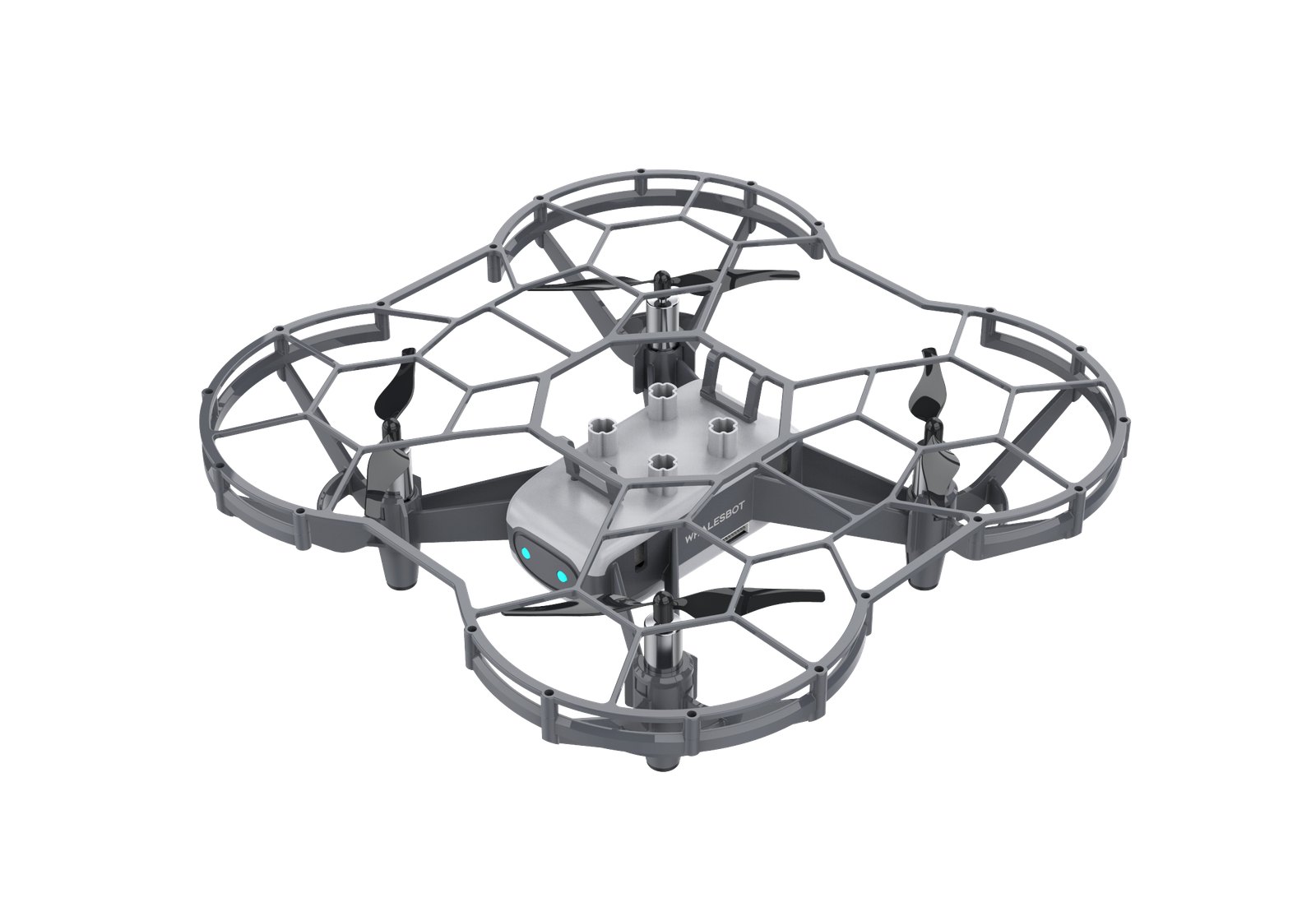
Drone Coding and Flight Course

Systematic learning of flight principles, visual programming and hands-on operation — strengthening spatial positioning and teamwork; eligible for inter-school drone competitions and campus performances.

  • Learning focus: flight principles, visual flight programming, sensor data application, spatial positioning, teamwork
  • Course highlights: education-grade safe drones, indoor/outdoor training, multi-drone coordination, aerial performance creation
  • Competitions/Showcases: Hong Kong WhalesBot Drone Challenge, school anniversary performances, STEM carnival
Principles of FlightBlock-based codingCoordinated Flight
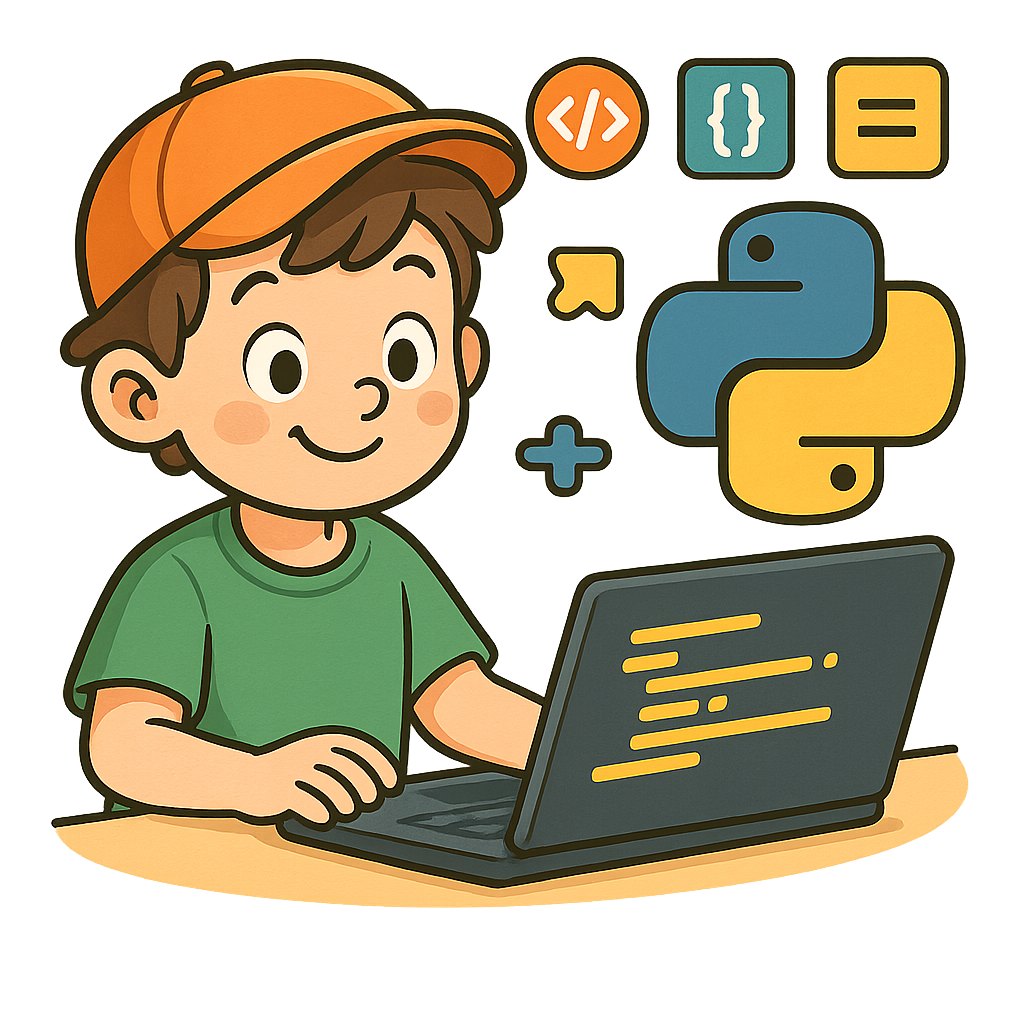
PythonCoding Courses

PythonProgramming Course

Python — internationally widely used with simple, readable syntax — is the teaching foundation, letting students learn science and technology in fun, practical ways.

  • Learning focus: Python syntax basics, data processing, algorithmic thinking
  • Highlights: visual tool support, practical project development
Python Programming Algorithmic Thinking
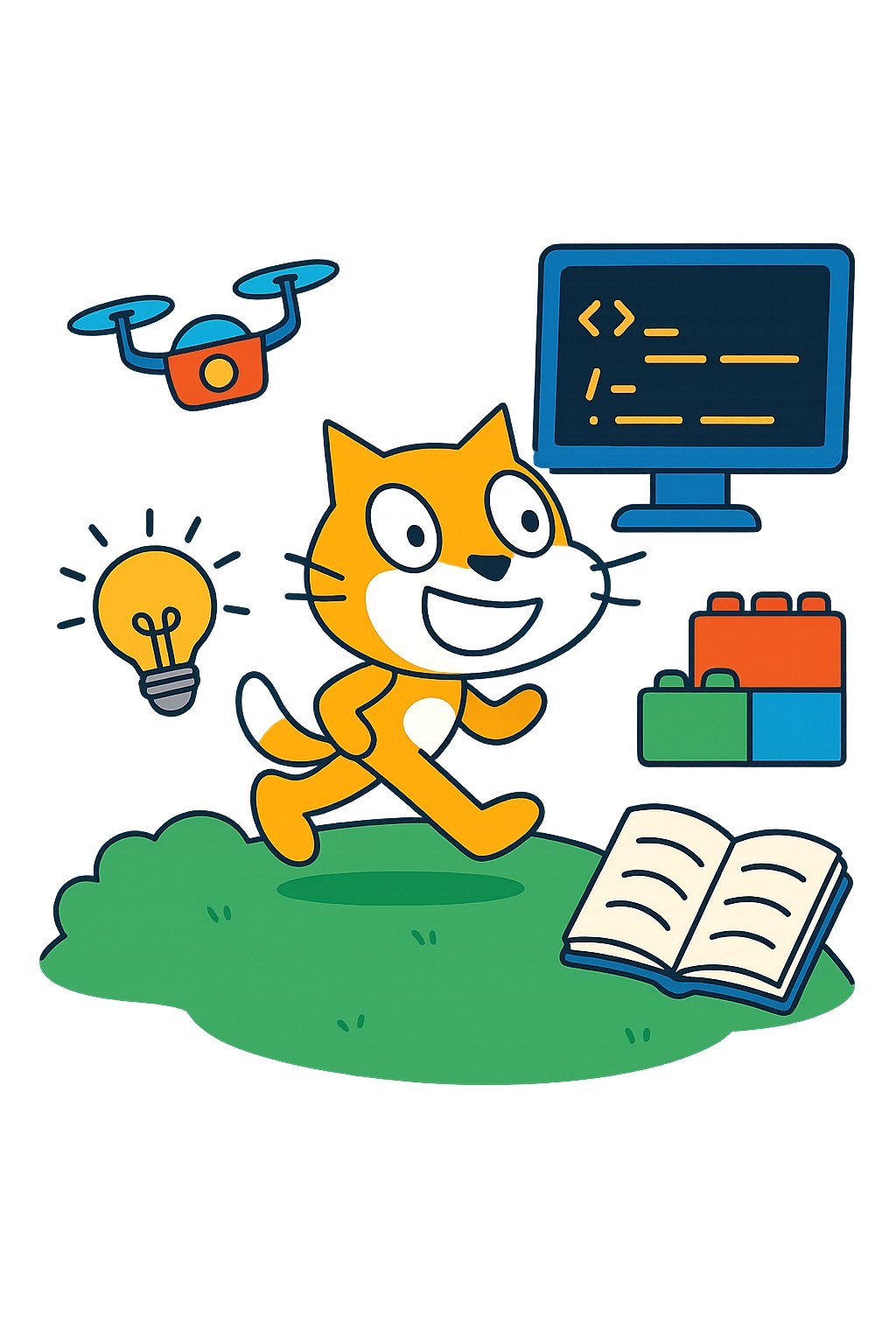
ScratchCoding Courses

ScratchCreative Coding Course

Student-centred teaching through life-related, interactive and diverse activities lets students master programming knowledge and skills in real contexts and improve cross-disciplinary application.

  • Learning focus: visual programming, logical structure, creative expression
  • Highlights: animated game creation, community sharing, cross-curricular integration
Scratch Creative Coding Logical Thinking
AI Prompt Course thumbnail

13. AI PromptIntelligent Dialogue Course

Centred on generative AI with diverse learning activities, students progressively understand and master basic AI principles in a relaxed, enjoyable environment.

  • Learning focus: generative AI principles, prompt engineering, AI-assisted creation, AI ethics, critical thinking
  • Course highlights: latest platforms; projects such as AI writing assistants, image generation, music creation
Generative AIPrompt EngineeringAIEthics

Ready to bring innovative STEAM learning to your students?

Contact us for a STEAM programme proposal and quote tailored to your school

中文EN