2612 5555
Rm 11, 18/F, Wing Fung Industrial Building, Tsuen Wan, NT
Get a School Quote

Primary Game Development Course


The following three courses can be flexibly arranged to school needs — game development and creation focused, with showcases and portfolios, balancing technical skills and creative thinking.

Quick course picker
3 courses

PygameGame Development Course

Python Game Development Programming
View course

CoSpaces VR/ARCreative Course

VR/AR 3DDesign Interactive Creation
View course

MinecraftEducational STEM Programmes

Gamified Learning Circuit Design Architectural Planning
View course
Python Game DevelopmentGraphics and Event HandlingComplete Projects
Pygame Game development class (illustrative)
(Image generated by generative AI)

21. PygameGame Development Course | Course Overview

Using accessible Python and the Pygame library, this course introduces game design and programming. 'Learn while playing' combines fun interaction, drawing, sound, character movement and scoring so students learn computer logic and creative expression in a relaxed environment.
No programming background needed — follow steps from basics to controlling graphics, keyboard and mouse input, simple animations, sound effects and custom characters. Each lesson has small tasks and visible outcomes so students enjoy 'creating my own game' and learn problem-solving and cooperation.

Learning focus

  • Master Pygame fundamentals
  • Learn Game Logic Design
  • Understand Graphics Processing Concepts
  • Develop Project Management Skills
  • Develop Creative Design Thinking

Course highlights

Starting from simple games and progressing step by step, students develop platform games, shooters, puzzle games and more. Learn combined skills in game planning, art and programming.

Competitions & showcase opportunities

  • Student Game Development Competition
  • indieGames Expo
  • PythonGame Coding Competition
  • School Game Carnival

Future-ready advantages

Through the Pygame game development course, students learn hands-on creation and turn ideas into real projects, enjoying the satisfaction of 'I did it myself'. Game programming brings various problems and challenges — students learn to observe, analyse and solve difficulties, greatly improving problem-solving and confidence. The course encourages active exploration, hands-on practice and learning to communicate and share through collaboration for well-rounded development.

Course outline (8 units)

  • Unit 1: Pygame environment setup
  • Unit 2: Basic graphics drawing
  • Unit 3: Animation and motion
  • Unit 4: Event handling mechanisms
  • Unit 5: Collision detection systems
  • Unit 6: Sound Effects and Music
  • Unit 7: Game architecture design
  • Unit 8: Complete game development
VR/AR Creation 3D Scenarios + Interaction Interdisciplinary Applications
Students use CoSpaces to create VR/AR scenes and interactive stories
(Image generated by generative AI)

Delightex(Former CoSpaces) VR/AR Creation Course | Course Overview

This course teaches P3–P6 students to create VR/AR content on Delightex (formerly CoSpaces). Delightex is a widely used educational VR/AR creation tool; work can be experienced on multiple devices. Students can create virtual school tours and showcase innovative technology at open days.

What students will learn and gain

  • Master the Delightex (formerly CoSpaces) interface
  • Learn 3D scene design
  • Understand VR/AR content creation
  • Develop Interaction Design Thinking
  • Develop Spatial Creativity

Course highlights

Intuitive platform operation, suitable for primary students. Students will create educational games, virtual exhibitions, interactive stories, and other diverse content.

Future-ready advantages

Students experience the latest technology developments, making classroom knowledge vivid and engaging. They learn to use VR equipment safely and design their own virtual worlds with unlimited creativity. The course encourages group collaboration and interactive learning, helping students improve communication and innovation in a fun environment. Upon completion, students showcase VR work for peer appreciation and exchange, building confidence and achievement. These experiences make learning more enjoyable and lay a good foundation for future technology, design and innovation learning.

Syllabus (example 8-unit programme)

  • Unit 1: Introduction to the Delightex (formerly CoSpaces) platform
  • Unit 2: 3D scene building
  • Unit 3: Introduction to programming basics
  • Unit 4: Animation effects production
  • Unit 5: Interactive feature development
  • Unit 6: AR application creation
  • Unit 7: Educational content development
  • Unit 8: Publishing and sharing work
(sessions and topics can be adjusted to school needs)
Gamified Learning Creative Building Collaboration Skills
MinecraftIn class: Students collaborate to build a virtual city
(Image generated by generative AI)

MinecraftEducation Edition STEM Course | Course Overview

Combining the world's most popular sandbox game Minecraft with STEM (Science, Technology, Engineering, Mathematics) education, this course creates an innovative learning experience for Hong Kong primary students. Students use Minecraft's creation, coding (Code Builder/Redstone), simulation and collaboration features to explore real-world mathematical and scientific principles, engineering structures, basic programming and sustainability. Lessons are built around thematic tasks, challenge levels and group work, letting students learn hands-on, explore actively, express creativity and improve problem-solving, teamwork and digital literacy through play.
Students become 'smart city engineers', using Redstone technology to design automation and smart devices while planning and building sustainable green cities. Through thematic tasks and group work, they practise programming and engineering principles and unleash imagination and creativity for ideal cities of the future!

Learning focus

  • Understand Redstone Circuit Principles
  • Master Automation Design
  • Learn Urban Planning Concepts
  • Develop a Sustainable Development Mindset

Course highlights

Gamified learning boosts engagement — students complete projects in architectural design, circuit systems and automated farms. Cross-disciplinary integration of maths, physics and geography. Multiplayer collaborative building supported.

Competitions & showcase opportunities

  • MinecraftEducation Global Challenge
  • Virtual City Design Competition
  • Sustainable Development Project Showcase
  • School Virtual Campus Project

Future-ready advantages

Through Minecraft, students turn abstract STEM knowledge — circuits, engineering, programming and sustainability — into concrete, vivid learning experiences, deepening interest and understanding. Building Redstone automation and planning green cities brings challenges requiring problem-solving, critical thinking and innovation — learning to break problems down and find optimal solutions.
The course emphasises group collaboration and project showcases — students learn to communicate and express design ideas through division of labour, essential 21st-century soft skills. Creating in Minecraft worlds with peer recognition and achievement boosts confidence and digital literacy. Gamified learning motivates students and cultivates active exploration and lifelong learning.

More primary recommendations

The following courses are designed for primary students — safe, interactive, high-participation, suitable for open days, STEM Week or parent-child showcases.

VEX AIM AI Robotics Course

Games and challenges make programming, AI sensing and problem-solving easy, improving logical and creative thinking.

  • Learning focus: AI vision sensing, object recognition, intelligent decision-making programming, AI application thinking, innovative solutions
  • Course highlights: making abstract concepts tangible, hands-on deepening, project-based learning, cross-curricular application
  • Showcase: School Tech Open Day
AI VisualObject RecognitionRobot
Course thumbnail

VEX IQ Competition Robotics Course

Professional competition robotics training for P4–P6 students, aligned with international VEX IQ competition standards.

  • Focus: competition robot design, automation programming, strategy development
  • Highlights: mock competitions, engineering notebooks, professional coaching
International Competitions Robotics Design Professional Training
Course thumbnail

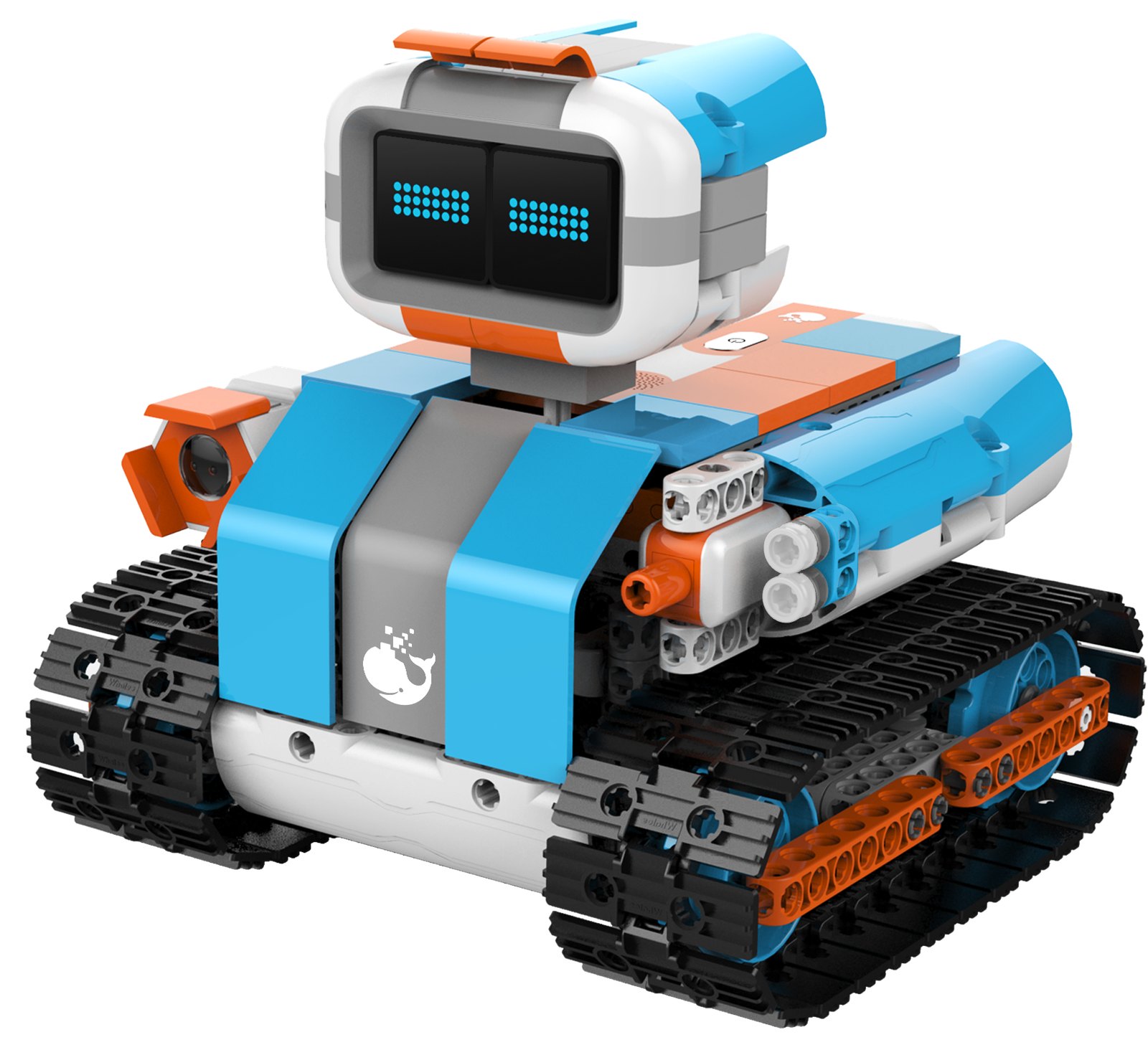
WhalesBot AI 1S AI Coding Course

Using AI Module 1S, students explore robot building, advanced programming and basic AI applications in depth.

  • Learning focus: sensor applications and data processing, foundational AI concepts, robot building and structural design
  • Course highlights: gradual progression from visual to text-based programming, introductory robot structure concepts, programming fundamentals
  • Competitions/Showcases: Hong Kong WhalesBot Regional, Shanghai WhalesBot Global Finals, STEM Week flagship projects
Scratch/Python/C AI Beginner Sensor Data International Exchange

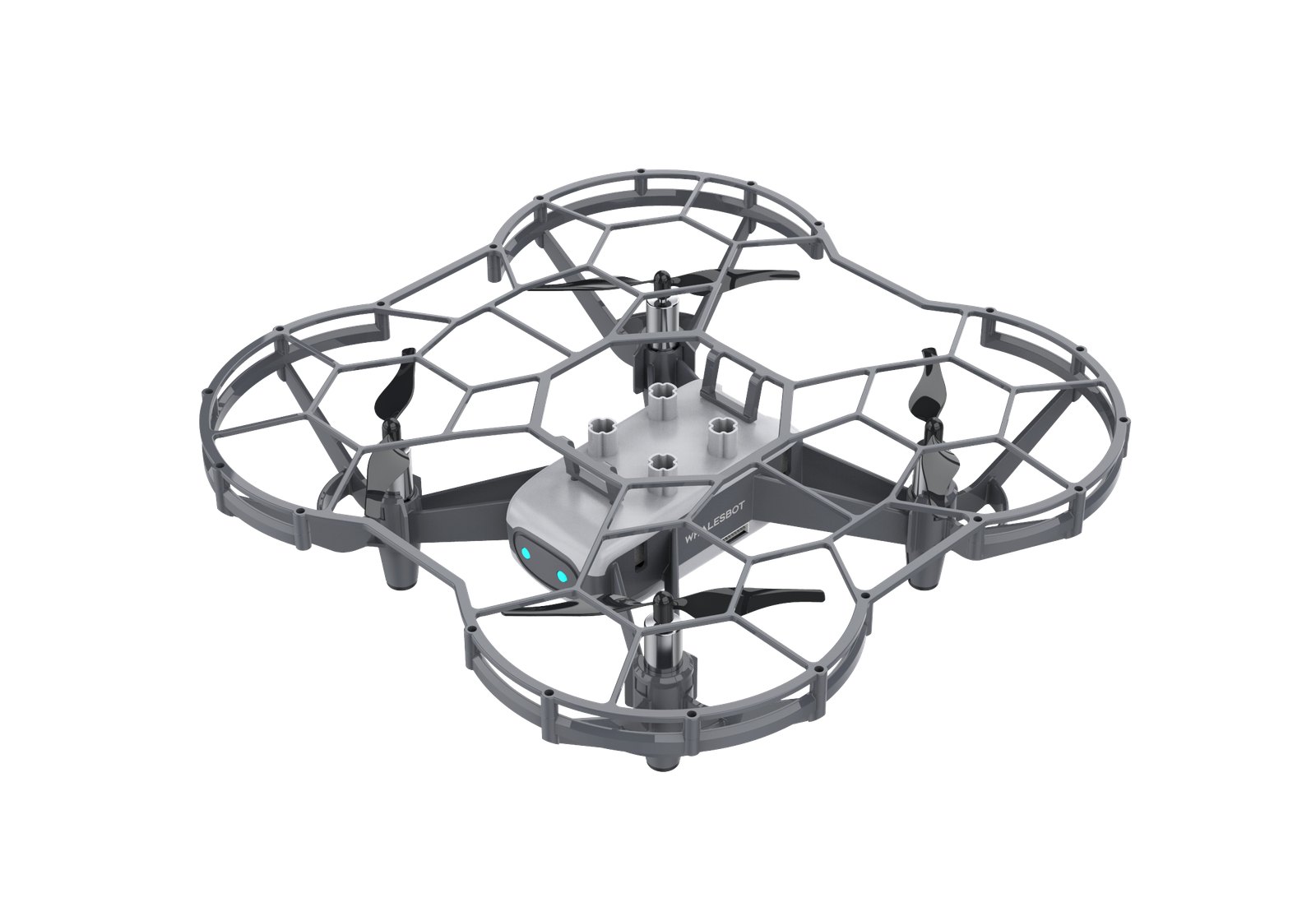
Drone Coding and Flight Course

Systematic learning of flight principles, visual programming and hands-on operation — strengthening spatial positioning and teamwork; eligible for inter-school drone competitions and campus performances.

  • Learning focus: flight principles, visual flight programming, sensor data application, spatial positioning, teamwork
  • Course highlights: education-grade safe drones, indoor/outdoor training, multi-drone coordination, aerial performance creation
  • Competitions/Showcases: Hong Kong WhalesBot Drone Challenge, school anniversary performances, STEM carnival
Principles of FlightBlock-based codingCoordinated Flight

Ready to bring innovative STEAM learning to your students?

Contact us for a STEAM programme proposal and quote tailored to your school

中文EN